/

/

Flooding at the Car Bridge

Flooding at the Car Bridge

Location:

Central Europe

Type of construction:

steel bridge

Sensor type:

6D sensor

steel bridge

Precise assessment of conditions during a flood event.

These companies rely on our sensor technology

Logo: The Highway
DB
OeBB_INFRA logo
PORR Logo
STRABAG Logo
Asfinag_Logo
Intermetric Logo
Axpo logo
GalaxyCity Logo
BHOE Logo
Logo of the Diocese of St. Pölten
GEOSYS International Logo
City of Vienna logo
SalzburgAG logo
Logo-ZP
Logo-RETTER-and-Partners
Logo-Poettinger
Logo-NOE-Railways
Logo-NOE
Logo - HEIGL-BAU
Logo City Vienna
Pictures (10)
Pictures (9)

Background

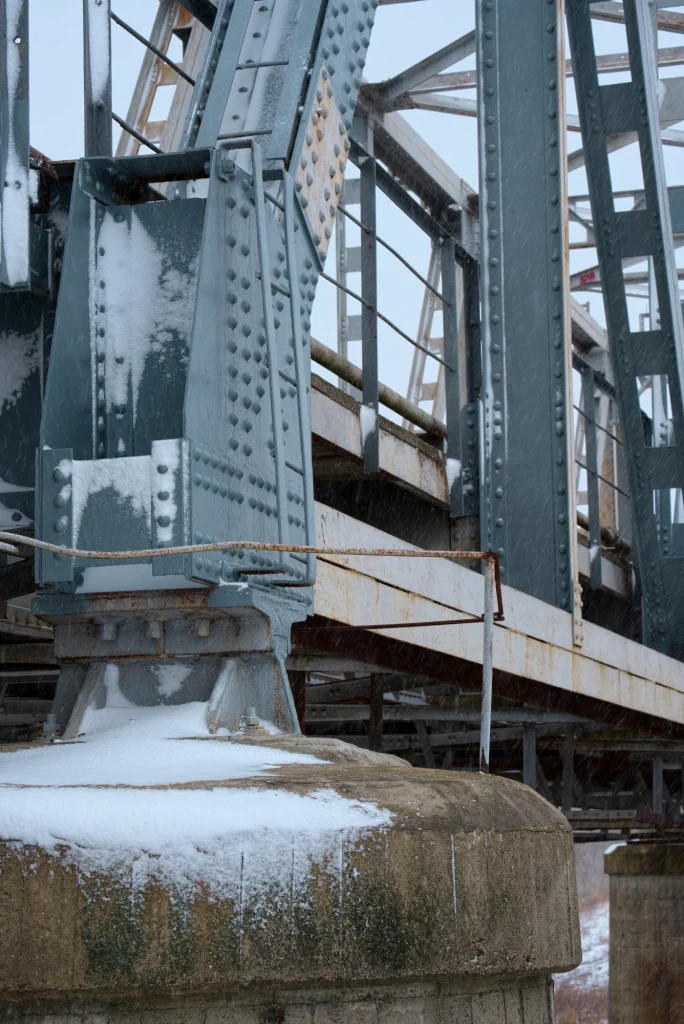
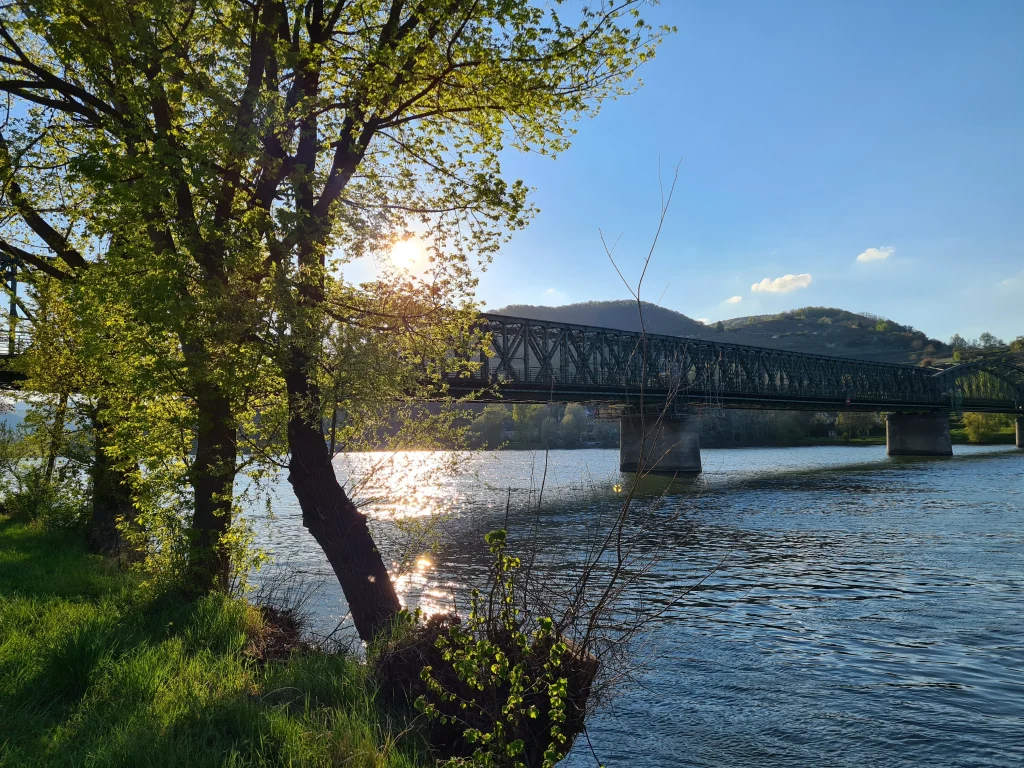
A historic steel bridge with elastomeric bearings, in need of renovation, serves as a major transportation artery spanning a large river prone to flooding. Since traditional, analog measurement methods at the bridge bearings indicated unexpected and ambiguous bearing positions, there was an urgent need for action. To understand the structural behavior under natural conditions and to collect data for future renovations, a reliable database had to be established.

Requirements

The operator needed a system that would provide precise insights into the structure’s kinematics and make measurement data digitally accessible at any time. The goal was to define a so-called “baseline” based on the first year of monitoring so that deviations could be immediately in subsequent years.

Solution

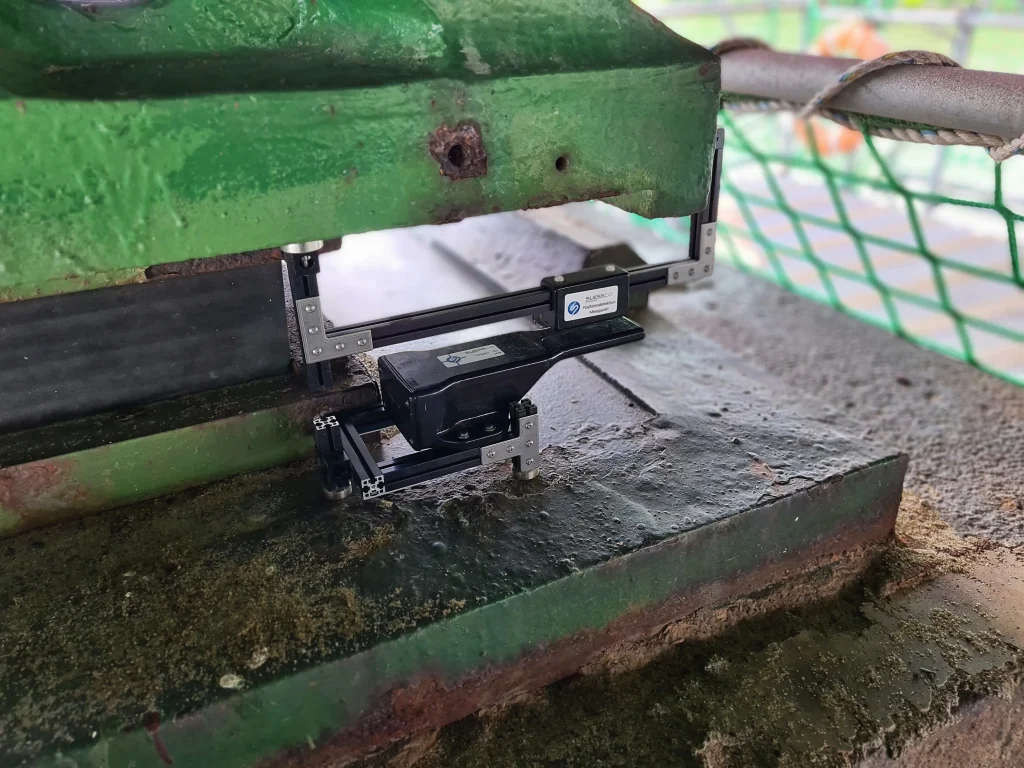
The steel bridge was equipped with high-precision 6D sensors from SuessCo Sensors. The measurement setup included monitoring of the bridge bearings as well as precise gap measurement at the abutment. For continuous long-term monitoring, strategically important bearings were equipped with the sensors to continuously record all movements in all dimensions, the angles of inclination, and the temperature directly on the structure.

During an extreme flood, the system transmitted structural data in real time to enable an immediate assessment of the situation. The sensors recorded extreme movements over a two-day period that were equivalent to those typically observed over many months. However, analysis showed that these movements were triggered purely thermally by a simultaneous drop in temperature; as the structure warmed up, it returned completely to its original state. The water pressure did not cause any permanent damage, which is why the operator was able to avoid a preventive closure. In the long term, the project provides valuable insights into the resilience and maintenance cycles of older infrastructure, thereby optimizing strategic asset management.


Let’s talk about your building

During the consultation, we’ll determine which sensors are right for your project and how quickly they can be installed. No obligation, no preparation required.

A man with his arms crossed and a smile