Home / Sensors / 2D Sensor
2D sensor

Two-axis crack monitoring, wireless and low-maintenance

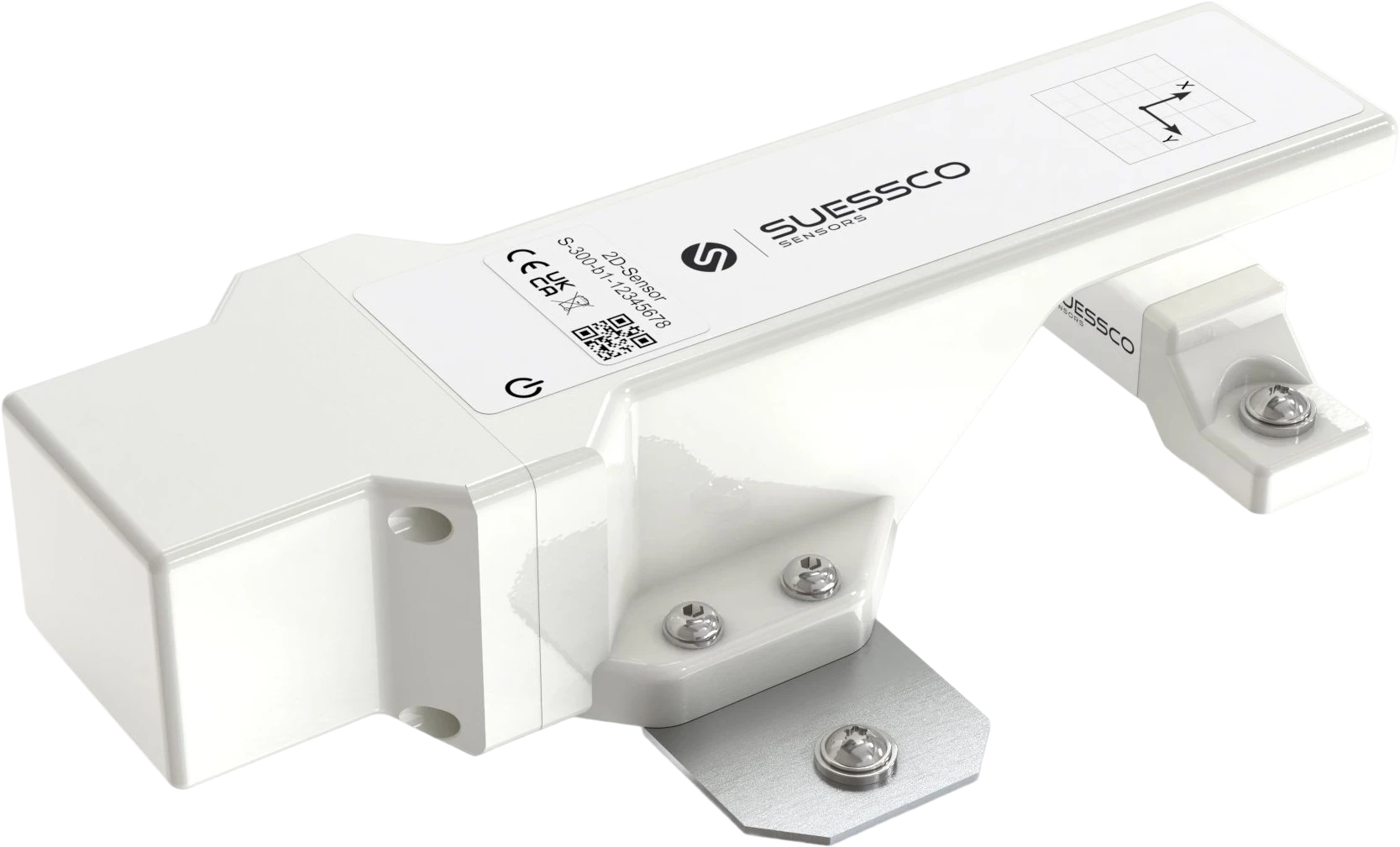
Relative motion in the X and Y directions with a repeatability of ±100 µm. Built-in temperature sensor. 10-year battery life. Made in Austria.

Two-axis crack monitoring, wireless and low-maintenance Patented

These companies rely on our sensor technology

Default Title
Default Title
Default Title
Default Title
Default Title
Default Title
Default Title
Default Title
Default Title
Default Title
Default Title
Default Title
Default Title
Default Title
Default Title
Default Title
Default Title
Default Title
Default Title
Default Title
Default Title

One sensor, multiple applications

Where 2D sensors are used today.

Crack Monitoring

Settlement, shrinkage, and stress cracks in concrete and masonry that primarily open along two axes. A complete history of movement for expert reports and damage assessments.


Crack Monitoring

Joint Monitoring

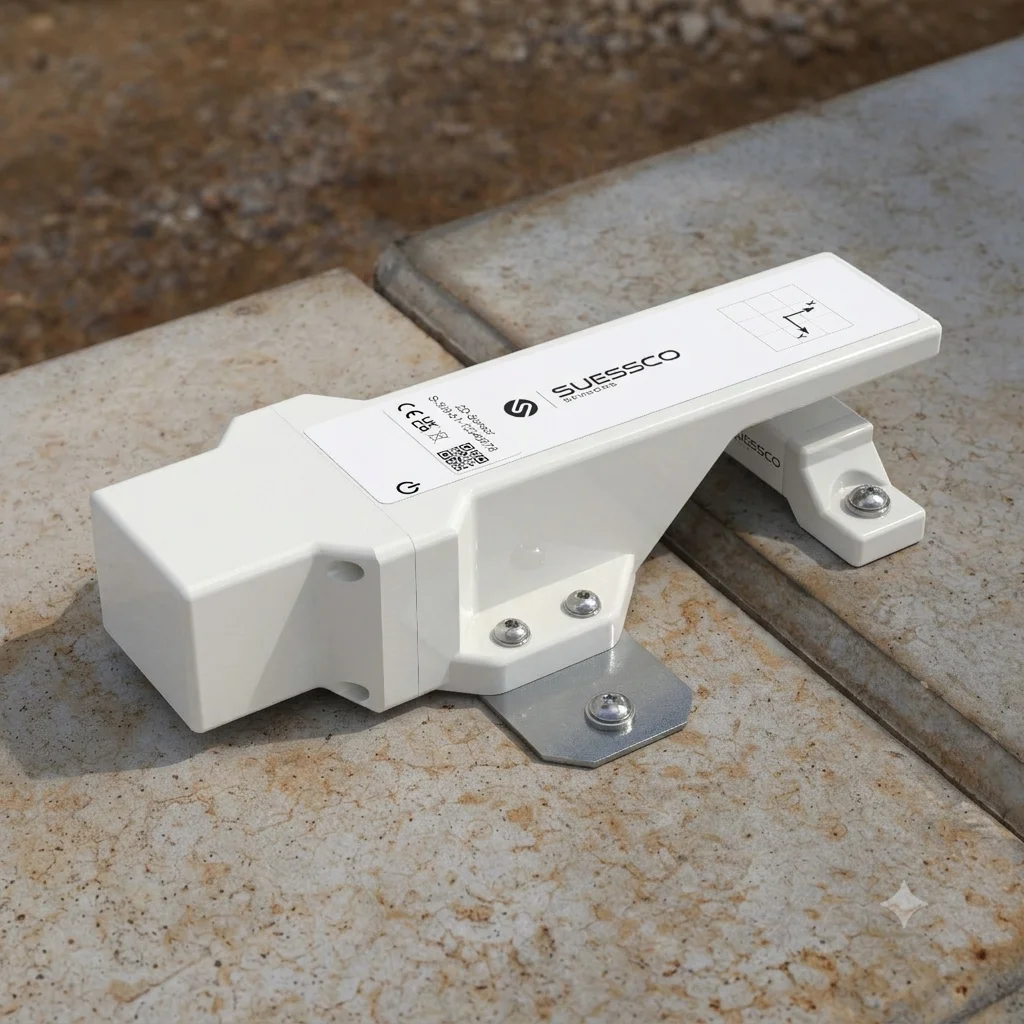
At expansion joints and connection joints where movement in the plane is to be captured without the Z-component being relevant.
Joint Monitoring

Preservation of evidence

The 2D sensor monitors cracks in adjacent buildings before, during, and after pile driving, excavation, and blasting work.

Preservation of evidence

What's changing for you

Can be installed by the user

Can be installed by the user

Two screws per component; activated by a magnet. No special tools required; no need for on-site technical staff.

Datahub Dashboard

All measurement data in a single dashboard. CSV export for structural engineers and reports, API integration for third-party sensors, and multi-tenant support for complex projects.

Datahub in Detail
Low-maintenance

Low-maintenance

Up to 10 years of battery life with daily use. Easy, user-replaceable batteries using standard alkaline AA and D cells.

Wirelessly connected

Wirelessly connected

Transmission via LTE-M directly to the data hub. No wiring required on the structure.

Temperature recorded

Temperature recorded

A built-in temperature sensor records the ambient conditions to ensure accurate motion interpretation.
Key Features

Motion measurement in two spatial axes (X, Y)
Built-in temperature sensor
Easy plug-and-play installation
Wireless data transmission via LTE-M
High repeatability with no drift
Up to 10 years of battery life
Motion measurement in two spatial axes (X, Y)
Built-in temperature sensor
Easy plug-and-play installation
Wireless data transmission via LTE-M
High repeatability with no drift
Up to 10 years of battery life

What the 2D sensor measures

Dimensions
Key figures
Data collection

Sensor:

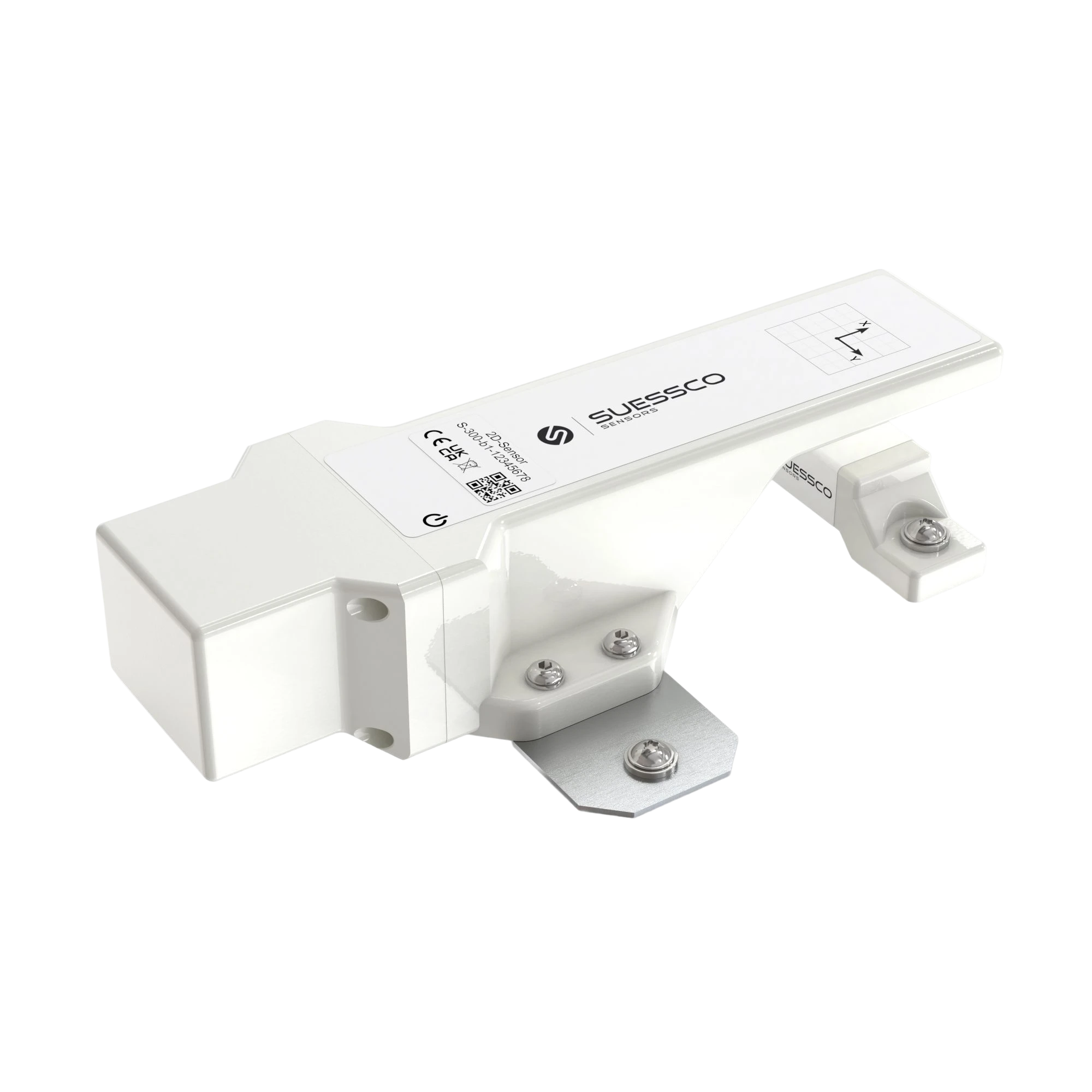
260 × 100 × 51 mm

Weight including base:

690 g

Measuring range:

X 30 mm, Y 30 mm

Temperature:

−20 °F to +54 °F

Cream-colored housing

Repeatability:

X and Y axes: ±100 µm.
Temperature: ±0.5 °C

Power supply:

Built-in battery

Max. battery life:

Up to 10 years with 4 measurements per day

Data transmission and storage:

LTE-M, Monitoring Platform

2D Sensor Data Sheet - EN - March 2026

Download the brochure

Real-world projects

Selected projects using the 2D sensor.

May1

Brentenberg Tunnel

Real-time structural monitoring following a tunnel fire to enable rapid reopening during ongoing restoration work.

Building:
Tunnel
Location:
Austria
Sensors:
3D sensor
Read the case study
Brentenberg Tunnel

Rastatt Tunnel

Wireless 3D measurement of concrete segments in tunnel construction.

Building:
Tunnel
Location:
Germany
Sensors:
3D Sensor XT
Read the case study
Rastatt Tunnel

Stuttgart 21

Continuous monitoring of structural movements in the historic reception building during the critical construction phase

Building:
Historic train station building
Location:
Stuttgart, Germany
Sensors:
6D sensor, GNSS sensor
Read the case study
Stuttgart 21

Residential building

High-precision building monitoring of settlement and crack development to assess damage caused by subway construction work.

Building:
Historic building
Location:
Central Europe
Sensors:
3D sensor, 6D sensor, GNSS sensor
Read the case study
Residential building

Danube Bridge

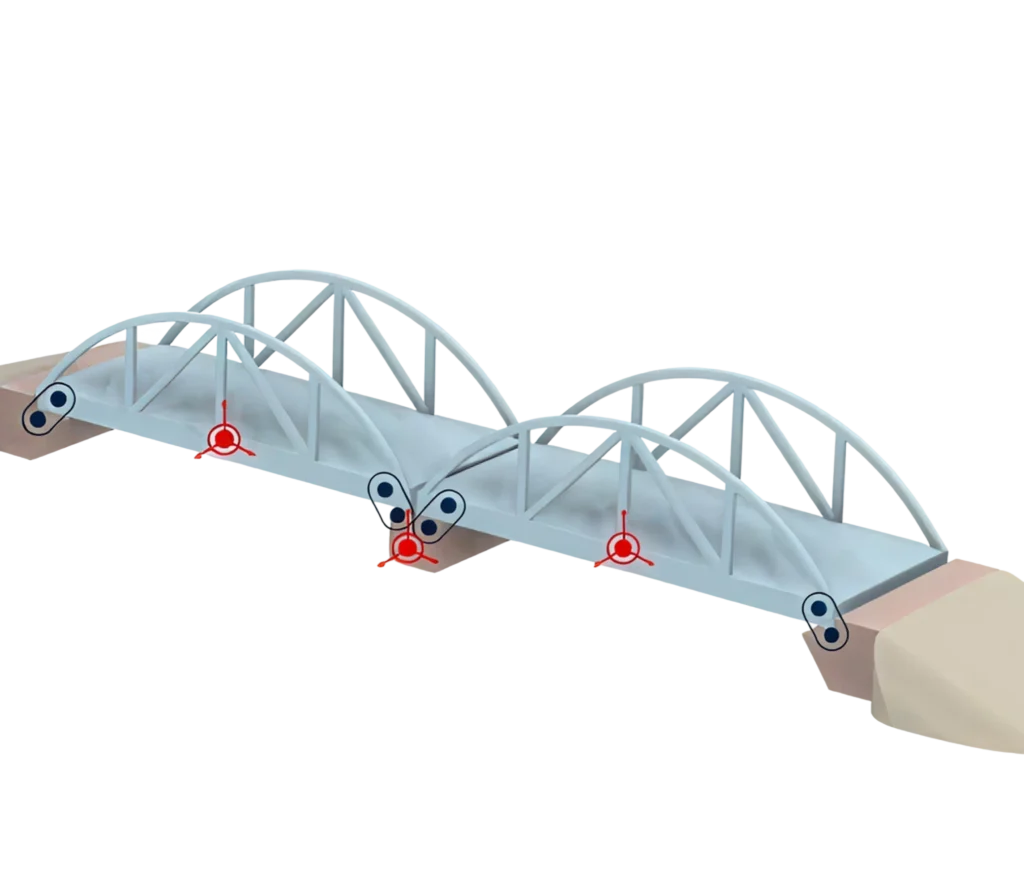
Monitoring of bearing and abutment movements and structure temperature during operation.

Building:
steel bridge
Location:
Lower Austria
Sensors:
6D sensor
Read the case study
Danube Bridge
May1

What our customers say

/
FAQ

Frequently Asked Questions About the 2D Sensor

The 2D sensor is the standard solution for crack monitoring and joint monitoring when movement occurs primarily along two axes. For cracks with a three-dimensional component or applications involving rotation, the 3D sensor or the 6D sensor is the more appropriate choice.

The 2D sensor measures two spatial axes (X, Y) with a repeatability of ±100 µm. The 3D sensor also measures the Z-axis and achieves a repeatability of ±50 µm. In addition, the 2D sensor supports only LTE-M connectivity, while the 3D sensor also supports Wi-Fi.

Repeatability: ±100 µm in the X and Y axes, ±0.5 °C for the integrated temperature sensor. Values from the November 2025 data sheet.

The 2D sensor transmits data to the SuessCo Datahub exclusively via LTE-M. Wi-Fi is not available on the 2D sensor. For applications with limited cellular reception, the 3D sensor with additional Wi-Fi connectivity is the better choice.

The built-in battery is designed to last up to ten years based on four measurements per day. No battery replacement is necessary during the typical project duration.

The reference object and sensor are each secured with two screws on either side of the crack or joint. Activation occurs when a magnet is placed against them. No special tools or on-site technical personnel required. Setup takes just a few minutes.

Using the 2D sensor for your project

During the consultation, we’ll show you whether the 2D sensor is suitable for your application and how quickly it can be installed.