






















Crack Monitoring in Historic Buildings

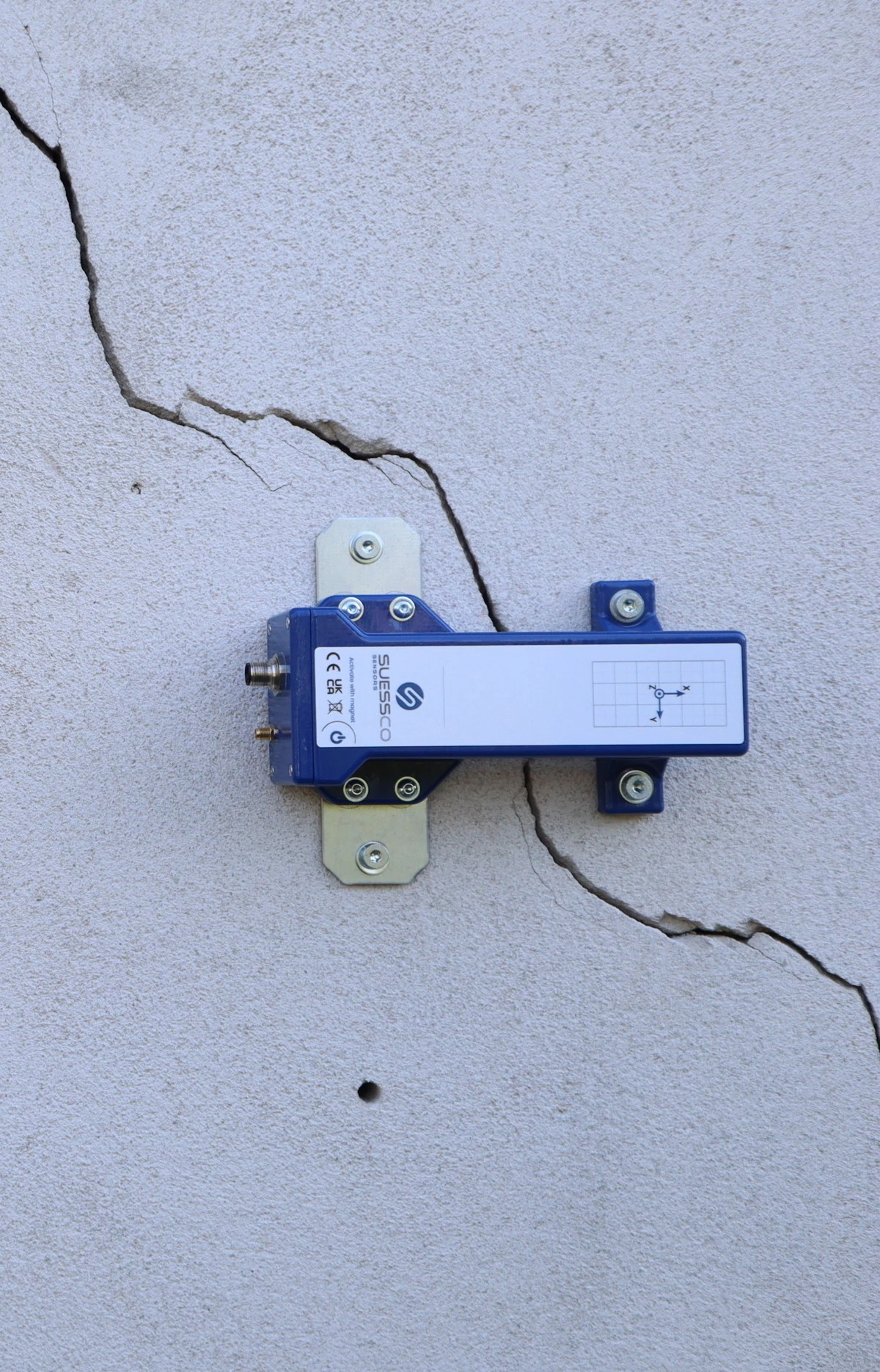
Our sensors are reversibly mounted and monitor crack width, settlement, and tilt at critical points with a repeatability of ±50 µm throughout the entire renovation phase.

You won't notice any changes to the building's structure between inspections

These companies rely on our sensor technology

Default Title
Default Title
Default Title
Default Title
Default Title
Default Title
Default Title
Default Title
Default Title
Default Title
Default Title
Default Title
Default Title
Default Title
Default Title
Default Title
Default Title
Default Title
Default Title
Default Title
Default Title

Manual inspections of historic buildings have structural shortcomings

Historic buildings are constantly shifting due to temperature fluctuations, humidity, ground settlement, and the stress caused by renovation work. Cracks in plaster, natural stone, and masonry develop over the course of months. An on-site inspection records the condition of the building as of a specific date. Any changes that occur at a critical point between two inspections remain invisible.
Many of these areas are difficult to access, such as vaults, towers, or spaces behind cladding. In the case of historic buildings, there is an additional problem. Any installation of measurement equipment interferes with the structure that is actually supposed to be preserved. Damage that begins to develop during a renovation project lasting several years is often not noticed until it is already visible.

This is how our sensors detect every movement in the material

1
Attach the sensor to the structure in a reversible manner

Attach the sensor to the structure in a reversible manner

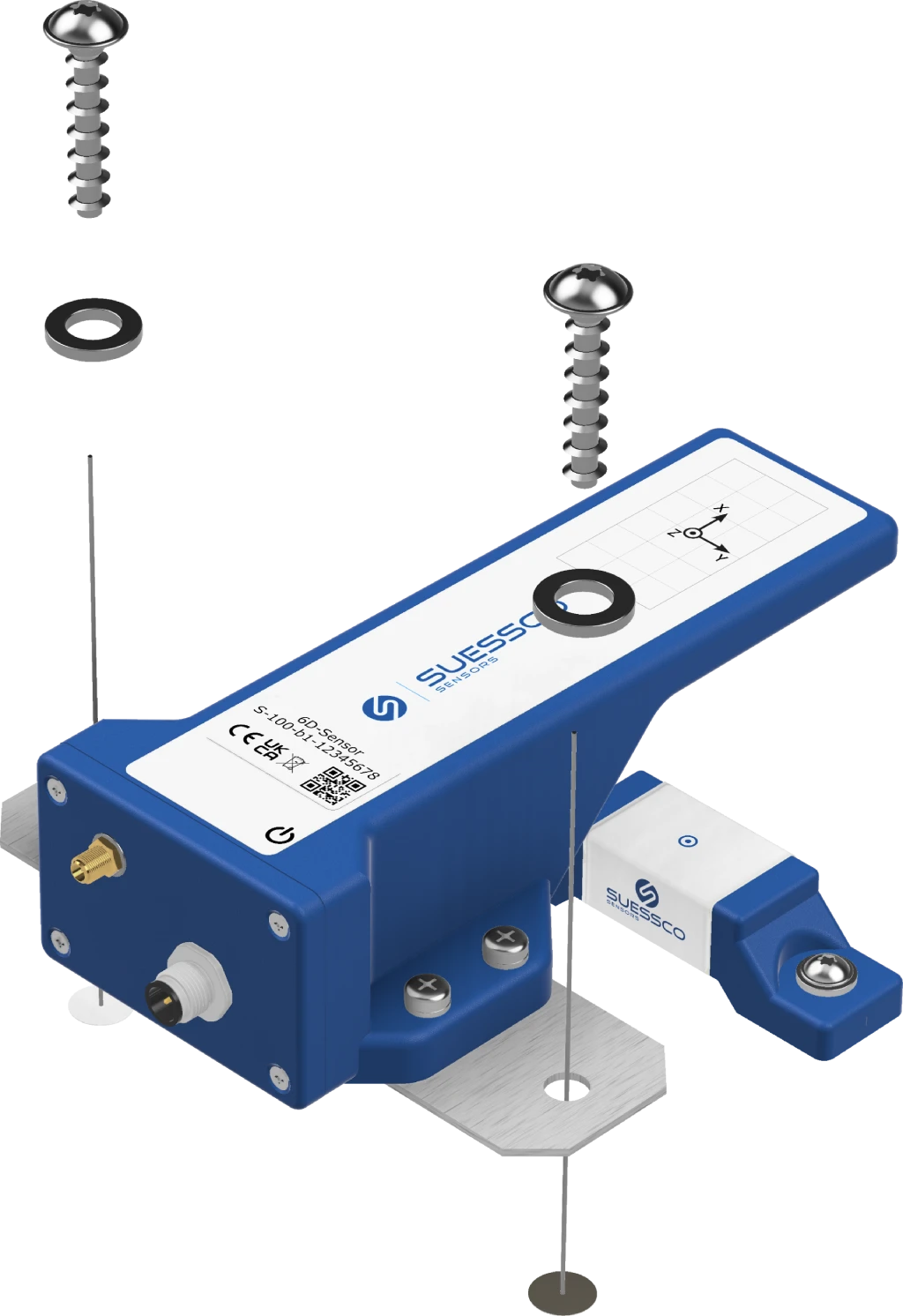
The reference object and sensor are each mounted with two screws; for historic buildings, they can also be attached reversibly using a magnetic mount, without making permanent changes to plaster or natural stone. No special tools are required. The reference mount can also be attached to irregular surfaces such as natural stone, rock, or rough masonry. It is activated by placing a magnet against it or connecting the battery cable.
2
6D Instructions

Automatically transfer measured values

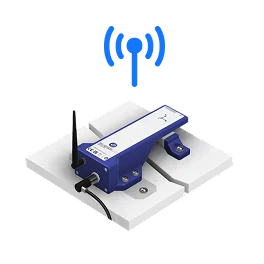
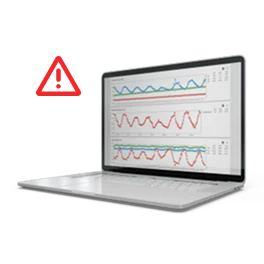
Once the sensor is active, it wirelessly transmits data on crack width, settlement, and tilt to our data hub. Data is transmitted via LTE-M and Wi-Fi. The movement history can be viewed at any time as a timeline, without the need for anyone to be on-site at the hard-to-reach measurement point.

3
Immediate notification if the threshold is exceeded

Immediate notification if the threshold is exceeded

You define the critical thresholds for each monitoring point in advance. If a threshold is exceeded, our system sends an email notification to the designated recipients. The comprehensive movement history is also available as documentation for restoration planning and for the Federal Monuments Office.

Measurement Points in Monument Monitoring
Book a free consultation

Recommended Sensors for Historic Site Monitoring

There is a sensor to suit every motion pattern and operating time.

6D sensor

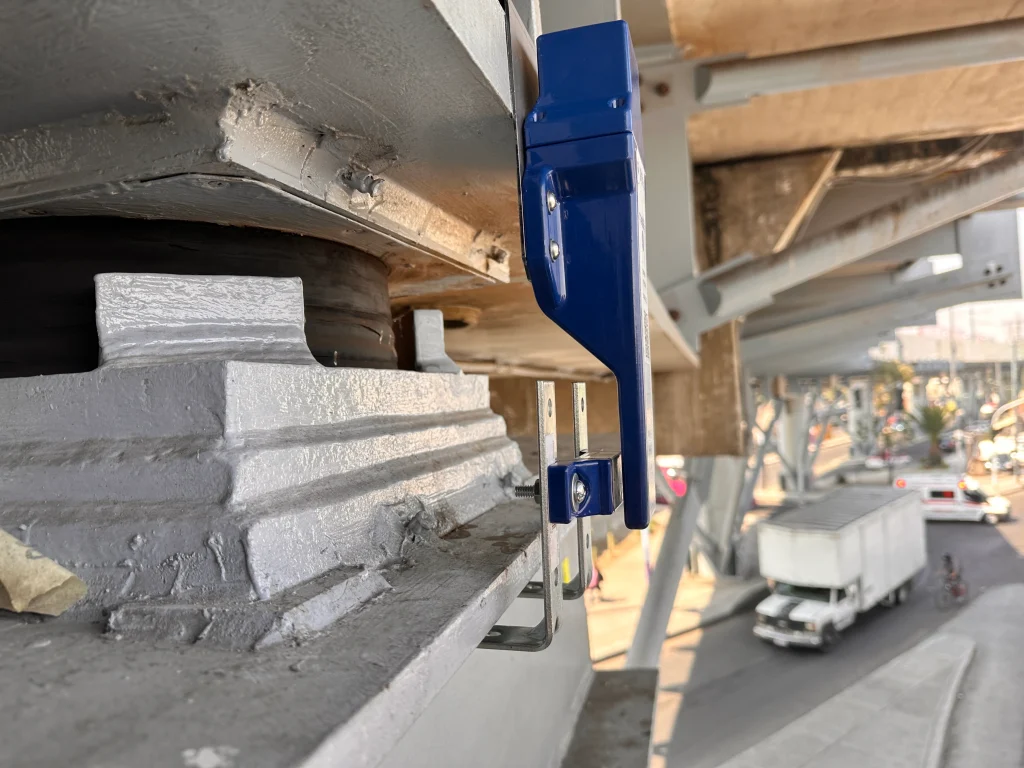
The solution for critical points involving rotation. Captures movement along three spatial axes and rotation around three axes with a single measurement; used at the Vienna Palm House even during crane lifting operations.

Features:
  • Measurement in six dimensions (X, Y, Z, and rotation around three axes)
  • Repeatability: ±50 µm (translation), ±0.1° (rotation)
  • Built-in temperature sensor (±0.5 °C)
  • 10-year battery life with hourly measurements
  • Wireless transmission via LTE-M and Wi-Fi
  • Patent EP3792587B1

3D Sensor XT

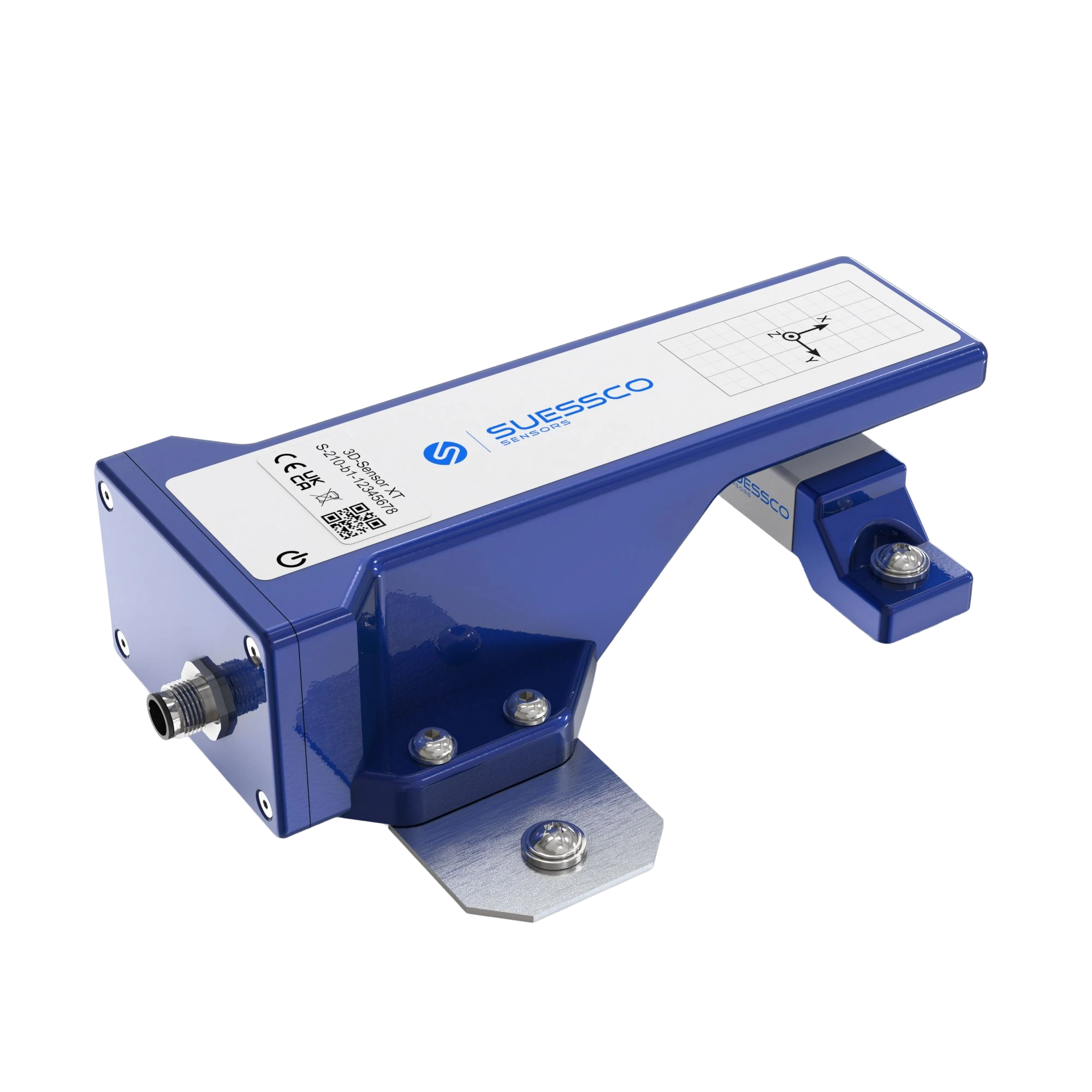
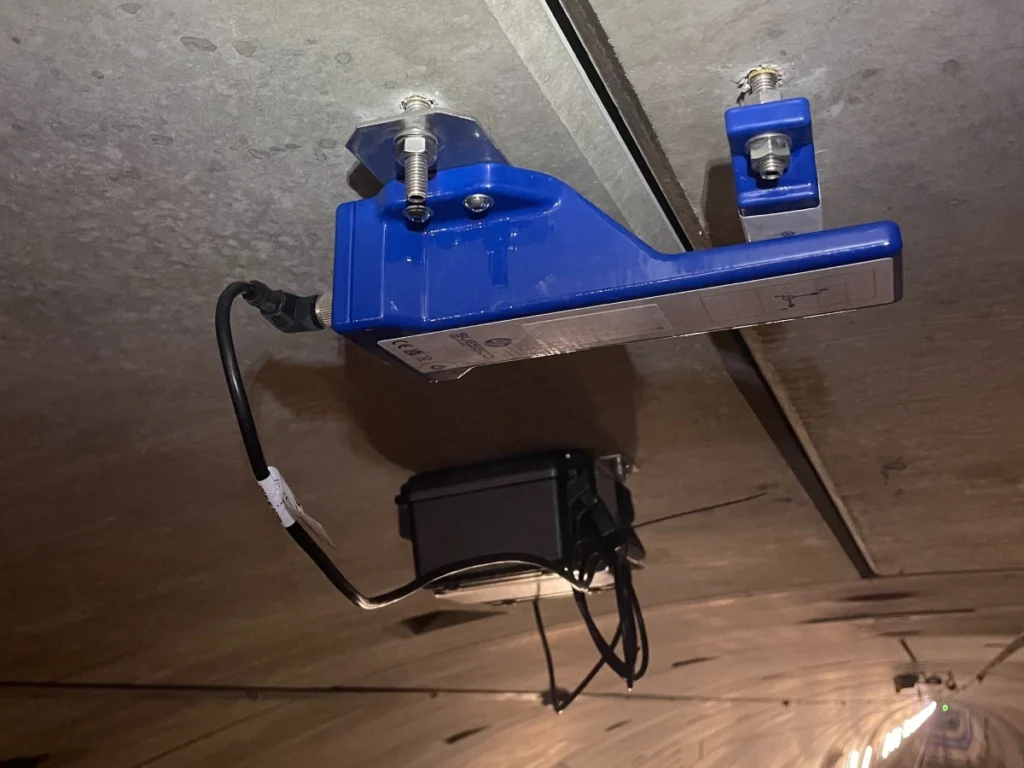
For long-term crack monitoring during a multi-year renovation project, without requiring maintenance on the structure. The external battery box enables hourly measurements for ten years. Reversible installation is possible, even on historic buildings.

Features:
  • Measurement in three spatial axes (X, Y, Z)
  • Repeatability ±50 µm
  • External battery box included
  • 10-year battery life with hourly measurements
  • Wireless transmission via LTE-M and Wi-Fi
  • Reversible fastening for delicate building structures
3D Sensor XT
What's changing for you

Specific differences compared to visual inspections and conventional sensor technology when applied to historic structures.

Wirelessly connected
Reversible fastening for historic structures

The sensor can be attached and removed using a magnetic mount without causing any permanent damage to plaster or natural stone. The mounting bracket adheres even to uneven surfaces, natural stone, rock, and rough masonry. Anything that needs to be preserved remains untouched.

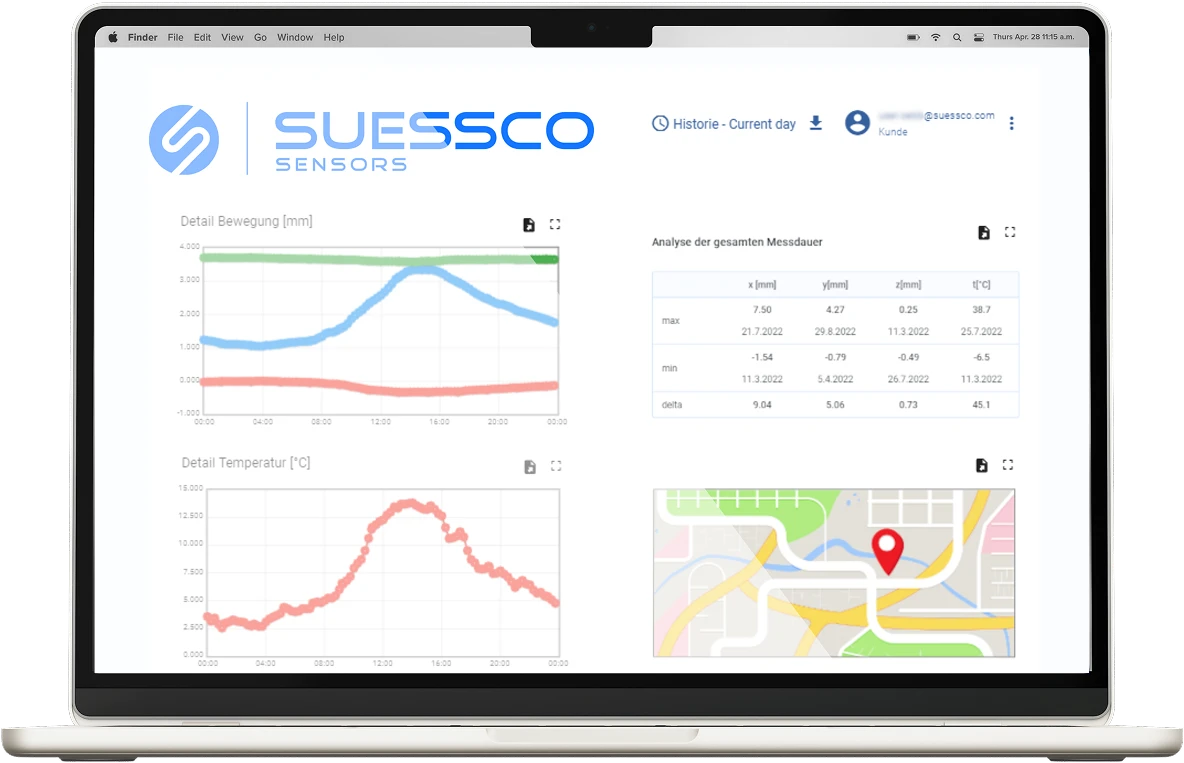
SuessCo Datahub Dashboard
All measurement data in a single dashboard. CSV export for structural engineers and reports, API integration for third-party sensors, and multi-tenant support for complex projects.
Datahub in Detail
Six dimensions in a single measurement
Movement and rotation in a single measurement

At critical points, our sensors measure both translation and rotation at the same measurement point using a single device. Other sensor systems require multiple setups to capture the same motion profile. Patent EP3792587B1.

Maintenance during operation
Documentation for renovation planning and the historic preservation authority

All measurement values are available as a CSV export. The continuous movement history provides the data foundation for restoration planning and for reporting to the Federal Monuments Office.

Early warning
Early warning in hard-to-reach areas

If a threshold is exceeded, our system automatically sends an email notification. Changes to towers, vaults, or areas behind cladding are detected without the need for anyone to be present at the measurement point.

Real-world projects

Selected monitoring projects involving historic buildings using our sensors.

May1

Brentenberg Tunnel

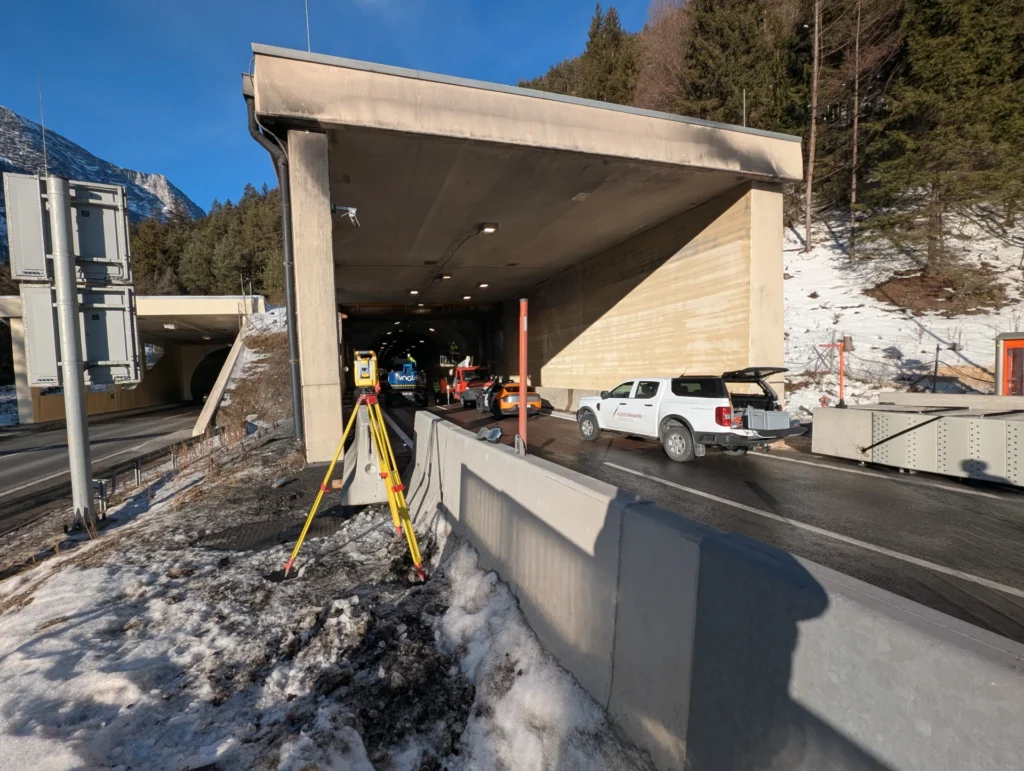
Real-time structural monitoring following a tunnel fire to enable rapid reopening during ongoing restoration work.

Building:
Tunnel
Location:
Austria
Sensors:
3D sensor
Read the case study
Brentenberg Tunnel

Rastatt Tunnel

Wireless 3D measurement of concrete segments in tunnel construction.

Building:
Tunnel
Location:
Germany
Sensors:
3D Sensor XT
Read the case study
Rastatt Tunnel

Stuttgart 21

Continuous monitoring of structural movements in the historic reception building during the critical construction phase

Building:
Historic train station building
Location:
Stuttgart, Germany
Sensors:
6D sensor, GNSS sensor
Read the case study
Stuttgart 21

Residential building

High-precision building monitoring of settlement and crack development to assess damage caused by subway construction work.

Building:
Historic building
Location:
Central Europe
Sensors:
3D sensor, 6D sensor, GNSS sensor
Read the case study
Residential building

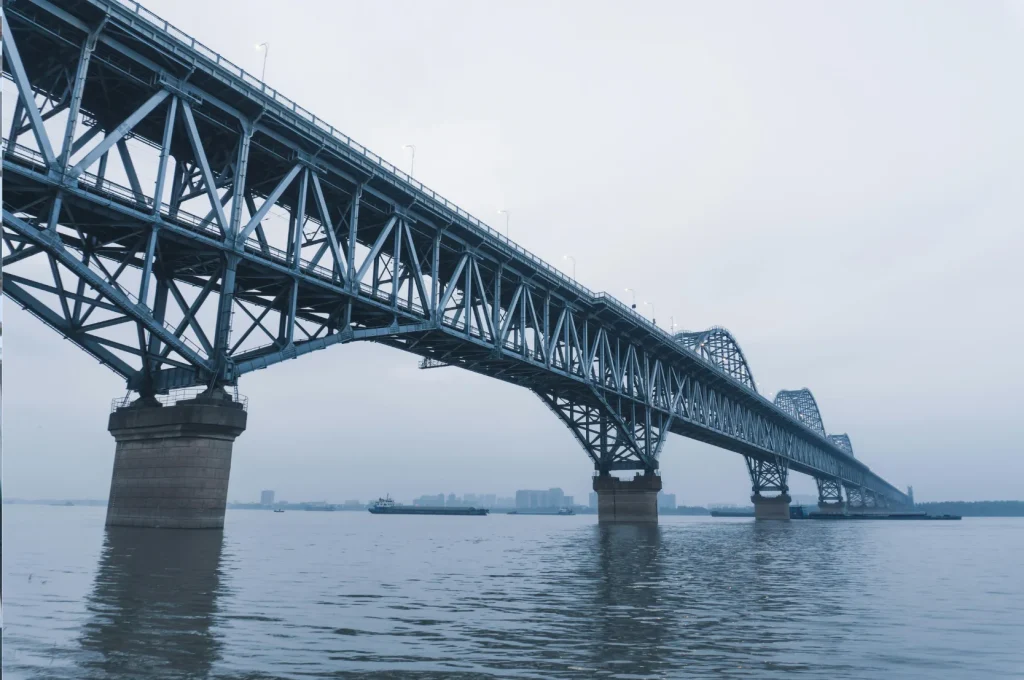
Danube Bridge

Monitoring of bearing and abutment movements and structure temperature during operation.

Building:
steel bridge
Location:
Lower Austria
Sensors:
6D sensor
Read the case study
Danube Bridge
May1

What our customers say

/
FAQ
Frequently Asked Questions About Crack Monitoring in Historic Buildings

No. For buildings designated as historic landmarks, we install the sensor in a removable manner using a magnetic mount, without making any permanent alterations to the plaster or natural stone. The reference mount can also be attached to irregular surfaces such as natural stone, rock, or rough masonry.

For critical areas involving rotational movement, such as towers or vaults, the 6D sensor is the primary solution because it measures both movement and rotation simultaneously. For pure crack monitoring over the course of a multi-year renovation project without requiring maintenance on the structure, the XT 3D sensor with an external battery box is suitable.

Yes. At the Palmenhaus in Vienna, our 6D sensors remained active even during the crane-lifting operations and documented the structural movement of the building. Changes that occurred during the construction phase become visible over time.

The 6D sensor and the 3D XT sensor can operate for ten years on a single battery charge when taking measurements hourly. This means that no battery replacement is necessary at hard-to-reach measurement points throughout the typical duration of a renovation project.

All measurement data is available in the Datahub as a CSV export. You can use the movement history as documentation for renovation planning and for submission to the historic preservation authority. Any anomalies at specific points become apparent over time.

You define the critical thresholds for each monitoring point in advance. If a threshold is exceeded, our system automatically sends an email notification to the designated recipients. This allows you to take action at a hard-to-reach location before the situation deteriorates to a critical level.

Discuss monument monitoring for your building

During the consultation, we will show you which sensor is best suited for your building’s structure and how to install it on historic surfaces in a way that allows for removal.