



















Tunnel Monitoring Using Wireless Sensors

Hourly measurements with a repeatability of ±50 µm. Data transmission via LTE-M and Wi-Fi, even in deep tunnels with limited cellular coverage.

Measuring convergence, deformation, and settlement in tunnel lining

These companies rely on our sensor technology

Default Title
Default Title
Default Title
Default Title
Default Title
Default Title
Default Title
Default Title
Default Title
Default Title
Default Title
Default Title
Default Title
Default Title
Default Title
Default Title
Default Title
Default Title
Default Title
Default Title
Default Title

Tunnel monitoring poses unique challenges

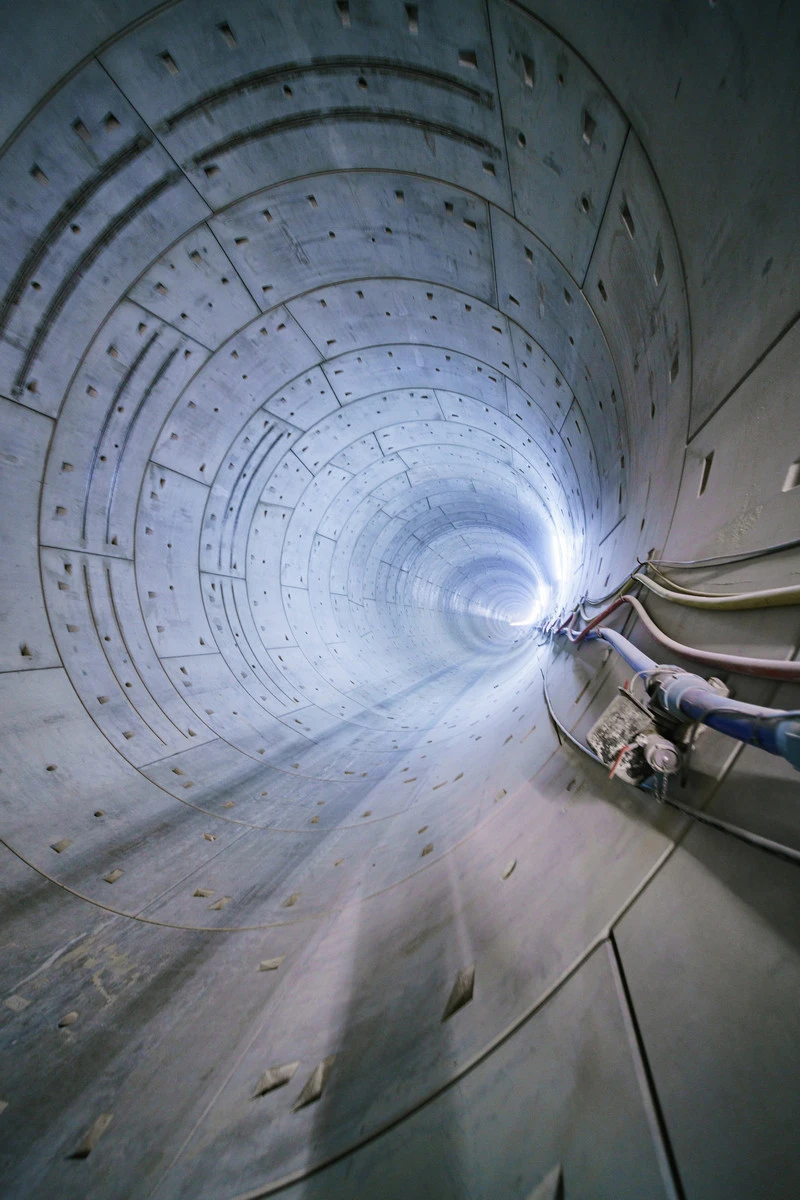
Tunnel linings, segmental linings, and support shells are constantly deforming due to rock pressure, water ingress, convergence, and material fatigue. Manual convergence measurements require on-site inspections during normal operations, which in rail or road tunnels is only possible with extensive traffic control measures.

Between inspections, the structural behavior remains hidden. For critical structures, this poses a risk that would need to be continuously monitored; in practice, however, it is often not monitored because the effort involved is too great.

This is how our sensors continuously measure the tunnel lining

1
Mount the sensor on the segment or support shell

Mount the sensor on the segment or support shell

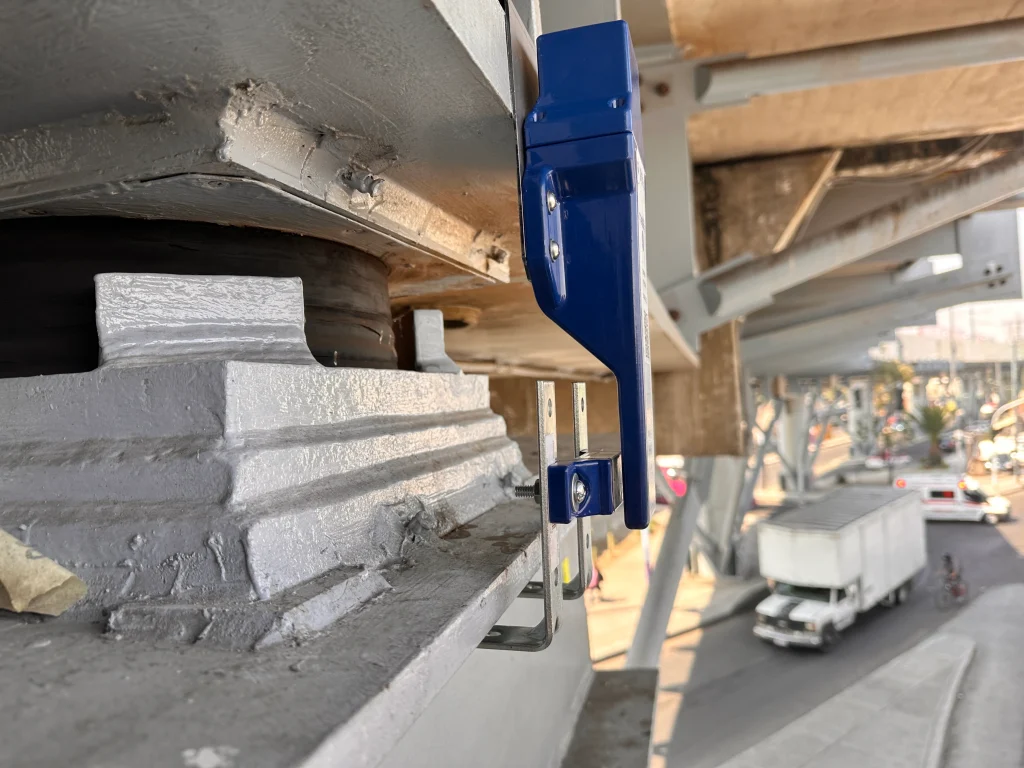
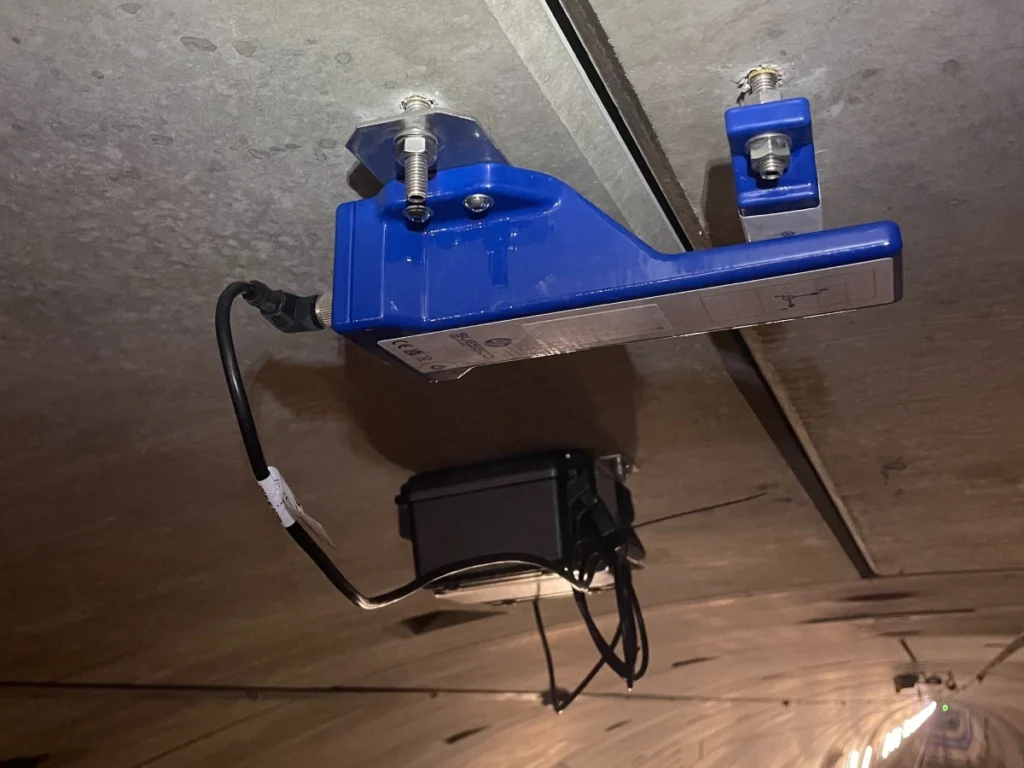
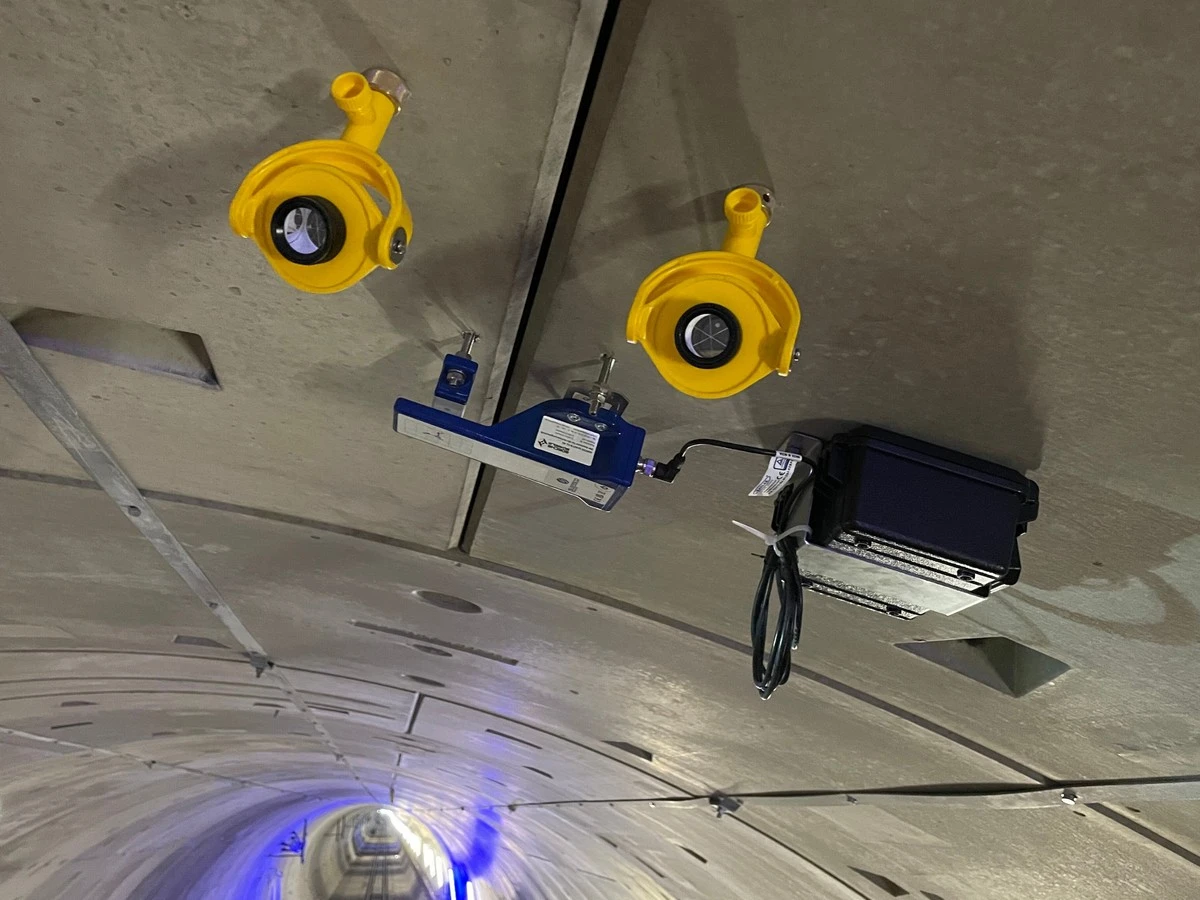
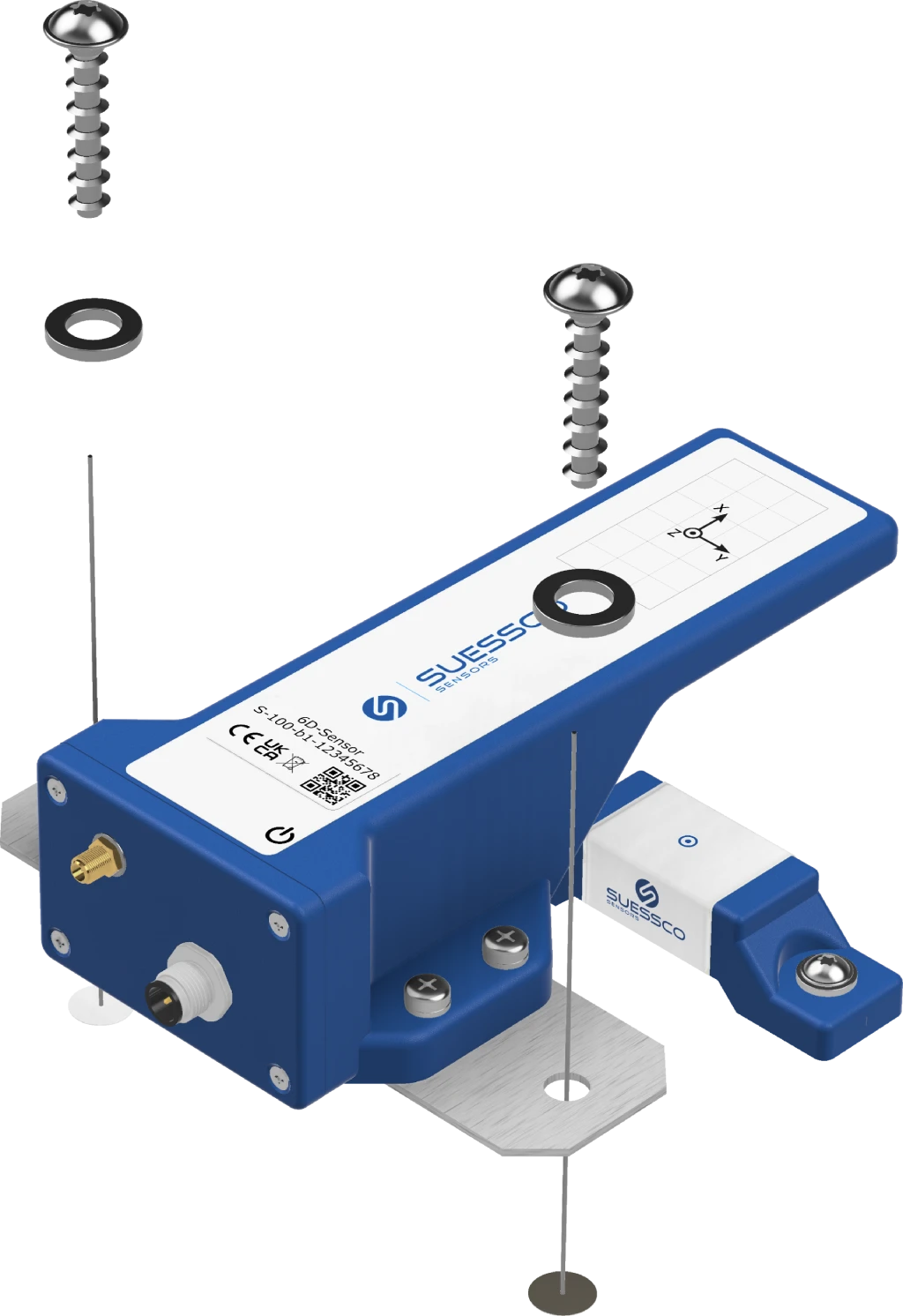
The reference object and sensor are each secured to the tunnel segment, the support shell, or the inside of the tunnel with two screws. No special tools are required, and there is no need to alter the supporting structure. The sensor can be installed in just a few minutes and begins transmitting as soon as it is activated.
2
6D Instructions

Hourly readings, wireless transmission

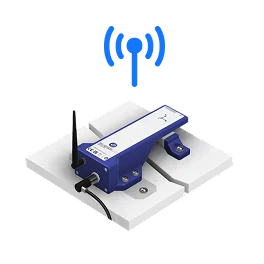
The XT 3D sensor takes hourly measurements in three spatial axes and transmits the data to our data hub via LTE-M or Wi-Fi. Even when cellular reception is limited inside the tunnel, data transmission continues via the internal Wi-Fi network or a gateway at the tunnel portal.

3
Convergence measurements are continuously documented

Convergence measurements are continuously documented

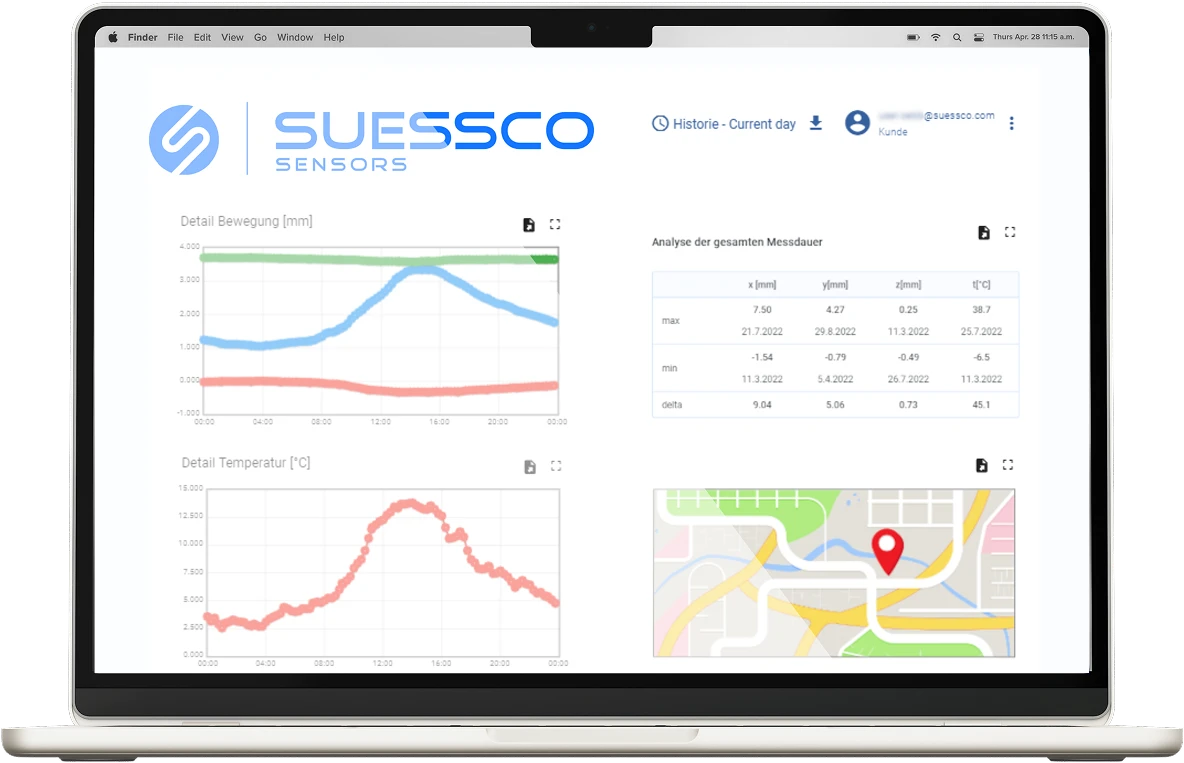
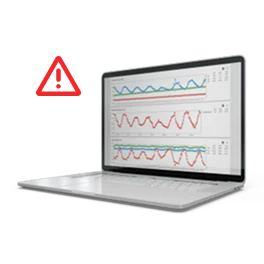
Multiple sensors positioned along the tunnel axis reconstruct the deformation profile over the entire length of the tunnel. Changes are displayed in the data hub as a time series. If a threshold is exceeded, our system automatically sends an email notification.

Measurement points for tunnel monitoring
Book a free consultation

Recommended sensors for tunnel monitoring

There is a sensor to suit every measurement point and motion pattern.

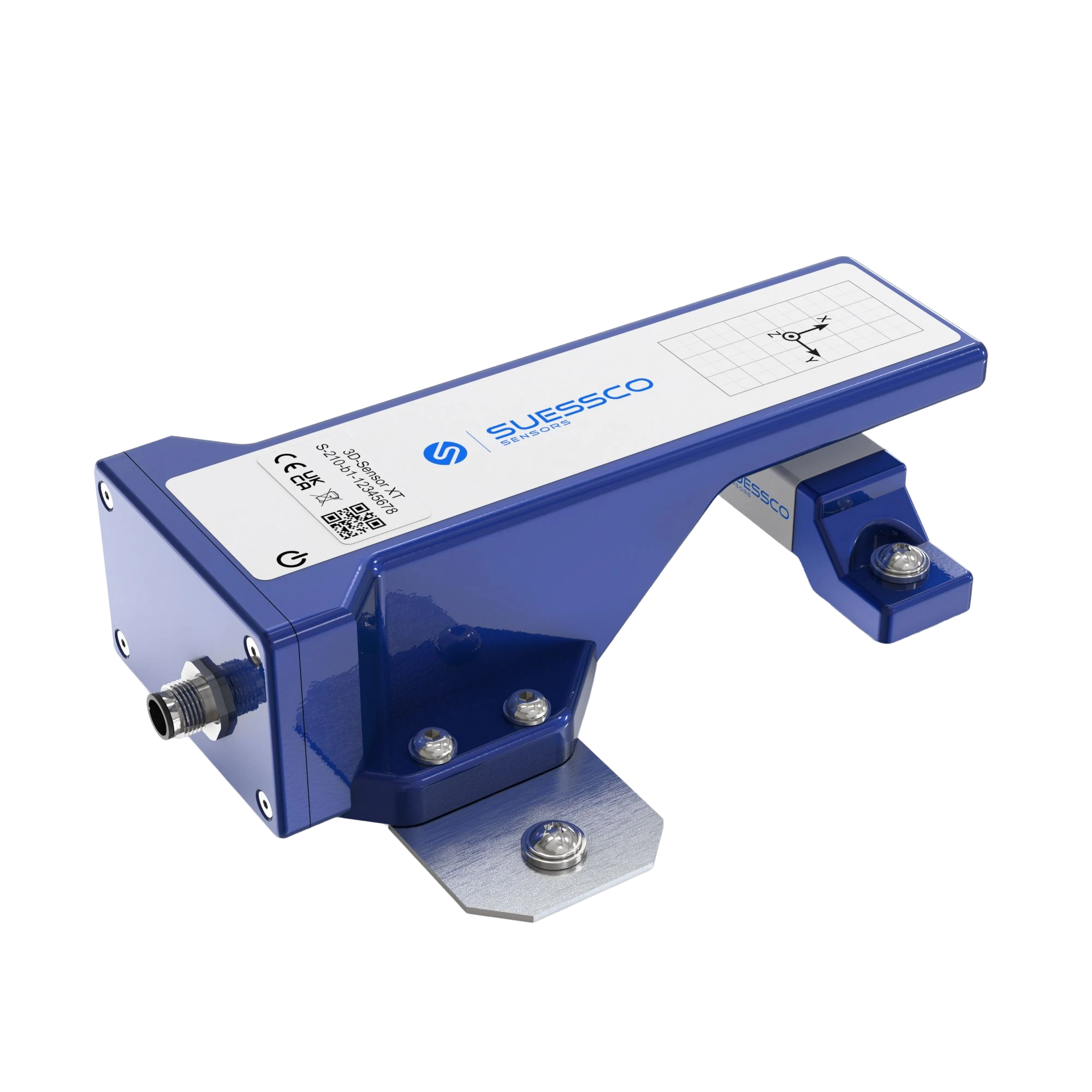
3D Sensor XT (Primary Solution)

The leading solution for tunnel monitoring. Hourly measurement intervals over a ten-year period, even at measurement points without regular maintenance access, thanks to an external battery box.

Features:
  • Measurement in three spatial axes (X, Y, Z)
  • Repeatability ±50 µm
  • External battery box for hourly measurements
  • 10-year battery life
  • Built-in temperature sensor (±0.5 °C)
  • Wireless transmission via LTE-M and Wi-Fi
3D Sensor XT

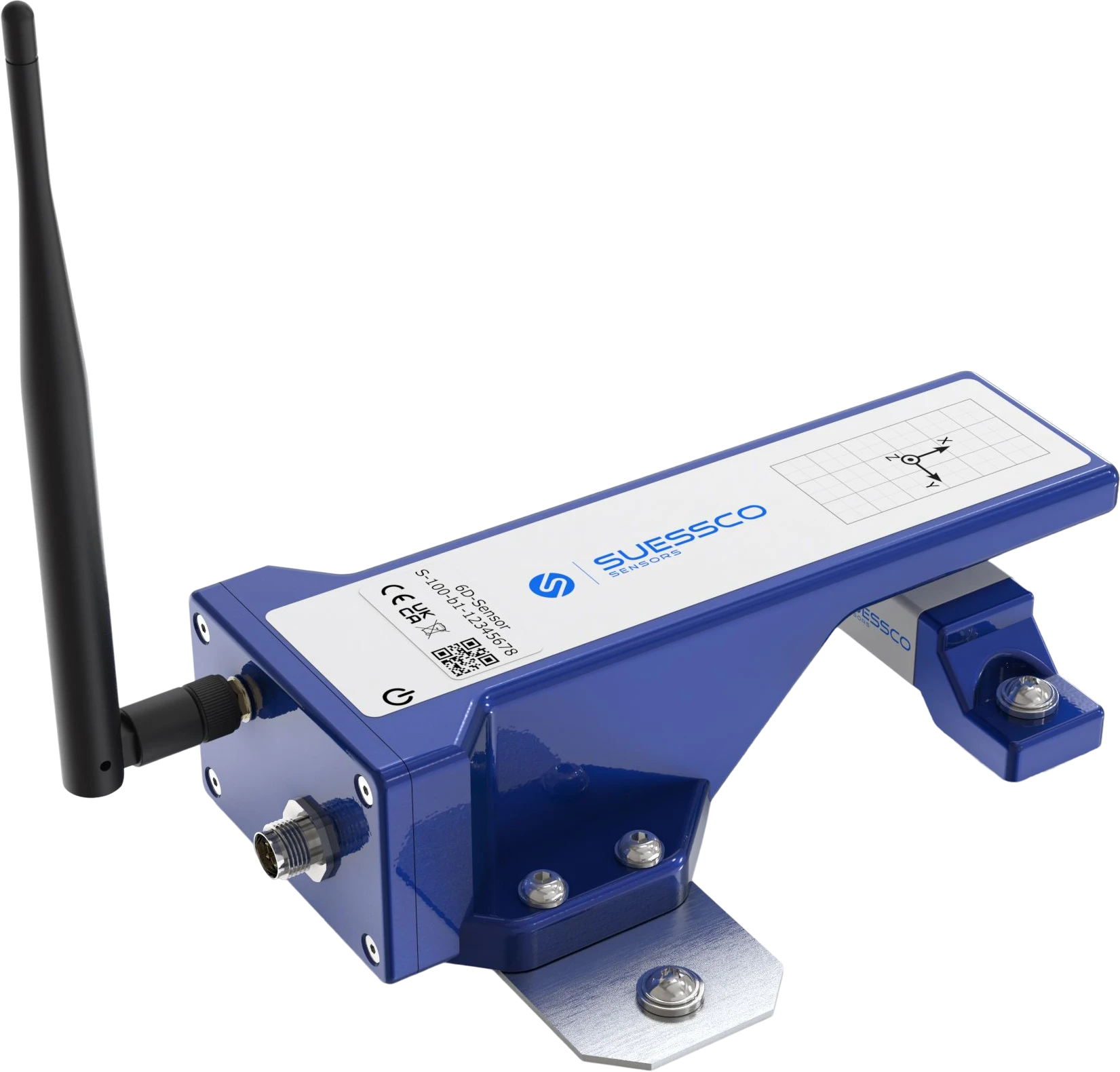
6D sensor

When rotation must be measured in addition to translation, such as in tunnel linings or portal structures prone to settlement and tilting.

Features:
  • Measurement in six dimensions (X, Y, Z, and rotation around three axes)
  • Repeatability: ±50 µm (translation), ±0.1° (rotation)
  • Built-in temperature sensor
  • 10-year battery life with hourly measurements
  • Wireless transmission via LTE-M and Wi-Fi
  • EU and U.S. Patents
6D sensor
What's changing for you

Specific differences compared to manual convergence measurement and conventional tunnel inspection.

Hourly measurements over a ten-year period

The XT 3D sensor takes hourly measurements via the external battery box, eliminating the need for maintenance on the sensor itself. At measurement points that would otherwise only be accessible by foot or with a lift, the sensor provides continuous measurements throughout the entire project duration.

SuessCo Datahub Dashboard
All measurement data in a single dashboard. CSV export for structural engineers and reports, API integration for third-party sensors, and multi-tenant support for complex projects.
Datahub in Detail
Data transmission even in deep tubes

LTE-M and Wi-Fi in parallel. When cellular reception is limited, the sensor uses the tunnel’s internal Wi-Fi network or a gateway at the tunnel portal. Data reaches the data hub even from deep within the tunnel.

Deformation profile along the tunnel axis

Multiple sensors placed along the length of the tunnel reconstruct the overall deformation behavior. Anomalies at individual measurement points can be evaluated in their spatial context rather than in isolation.

Convergence measurement without traffic control

Manual convergence measurements require inspections to be conducted while traffic is moving. Wireless sensors provide data continuously, without the need for road closures or personnel in the tunnel.

Real-world projects

Tunnel monitoring projects using our sensors.

May1

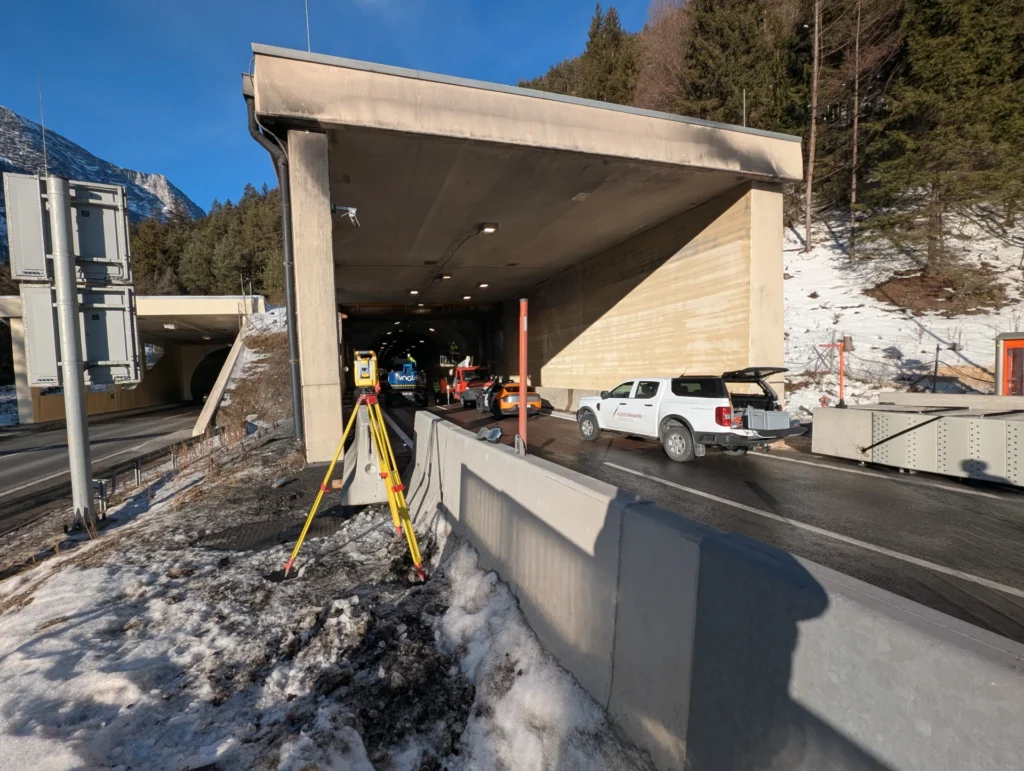
Brentenberg Tunnel

Real-time structural monitoring following a tunnel fire to enable rapid reopening during ongoing restoration work.

Building:
Tunnel
Location:
Austria
Sensors:
3D sensor
Read the case study
Brentenberg Tunnel

Rastatt Tunnel

Wireless 3D measurement of concrete segments in tunnel construction.

Building:
Tunnel
Location:
Germany
Sensors:
3D Sensor XT
Read the case study
Rastatt Tunnel

Stuttgart 21

Continuous monitoring of structural movements in the historic reception building during the critical construction phase

Building:
Historic train station building
Location:
Stuttgart, Germany
Sensors:
6D sensor, GNSS sensor
Read the case study
Stuttgart 21

Residential building

High-precision building monitoring of settlement and crack development to assess damage caused by subway construction work.

Building:
Historic building
Location:
Central Europe
Sensors:
3D sensor, 6D sensor, GNSS sensor
Read the case study
Residential building

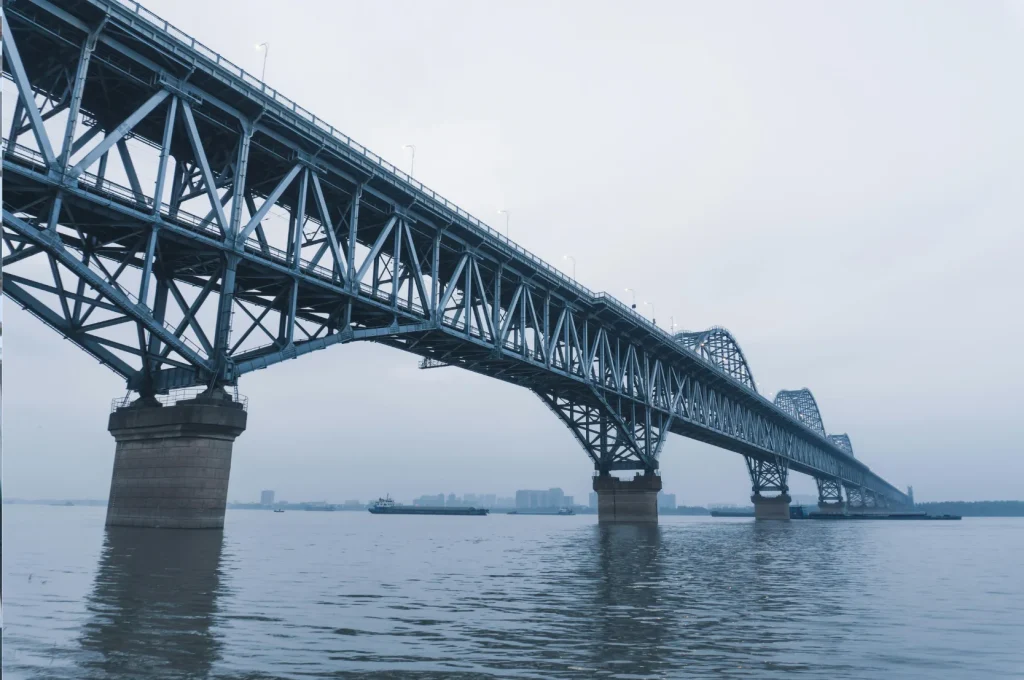
Danube Bridge

Monitoring of bearing and abutment movements and structure temperature during operation.

Building:
steel bridge
Location:
Lower Austria
Sensors:
6D sensor
Read the case study
Danube Bridge
May1

What our customers say

/
FAQ
Frequently Asked Questions About Tunnel Monitoring

The XT 3D sensor is the primary solution for tunnels. The external battery box enables hourly measurements over a period of ten years, which is crucial for hard-to-reach measurement points in tunnels. If tilt or rotation also needs to be measured—for example, at tunnel linings or portal structures—the 6D sensor complements the measurement points.

The sensor transmits data via LTE-M and Wi-Fi. When cellular reception is limited, it uses the tunnel’s internal Wi-Fi network or a gateway at the tunnel portal. Data reaches the data hub even from deep within the tunnel where there is no direct cellular coverage.

Several sensors are mounted along the tunnel axis on the tunnel segments, the supporting shell, or the tunnel lining. Each sensor measures movement at its specific location; together, they reconstruct the deformation profile along the entire length of the tunnel. The data is analyzed in the data hub as a time series.

Yes. Installation on the tunnel segment or the supporting shell does not require a complete closure of the tunnel. Maintenance windows or a one-way closure are usually sufficient. Once secured with two screws and activated, the sensor is immediately ready for operation.

The XT 3D sensor with an external battery box provides hourly measurements for ten years without requiring any maintenance on the sensor itself. No battery replacement is necessary within typical tunnel inspection intervals.

All measurement values are available in the Datahub as a CSV export. You can use the deformation profile as a data basis for regular tunnel inspections or to detect anomalies early on between inspection intervals. The API enables integration into existing tunnel monitoring systems.

Discuss tunnel monitoring for your structure

During the consultation, we will show you which sensors are suitable for your tunnel application and how quickly they can be installed without interrupting operations.