





















Crack monitoring without measurement gaps

Our sensors continuously monitor opening, movement, and relative displacement, and trigger an alarm if thresholds are exceeded.

What does the crack do while you're not looking?

These companies rely on our sensor technology

Default Title
Default Title
Default Title
Default Title
Default Title
Default Title
Default Title
Default Title
Default Title
Default Title
Default Title
Default Title
Default Title
Default Title
Default Title
Default Title
Default Title
Default Title
Default Title
Default Title
Default Title

Manual crack measurement has structural gaps

Cracks in concrete and masonry develop over weeks and months. They open up when temperatures change, close again, widen under load, and go unnoticed in the meantime.

Manual crack measurement captures only snapshots. What happens between two inspections remains unknown. In the event of damage, there is no continuous history of movement, and the person responsible for preserving evidence bears the liability risk.

This is how our sensors detect every movement

1
Install the sensor

Install the sensor

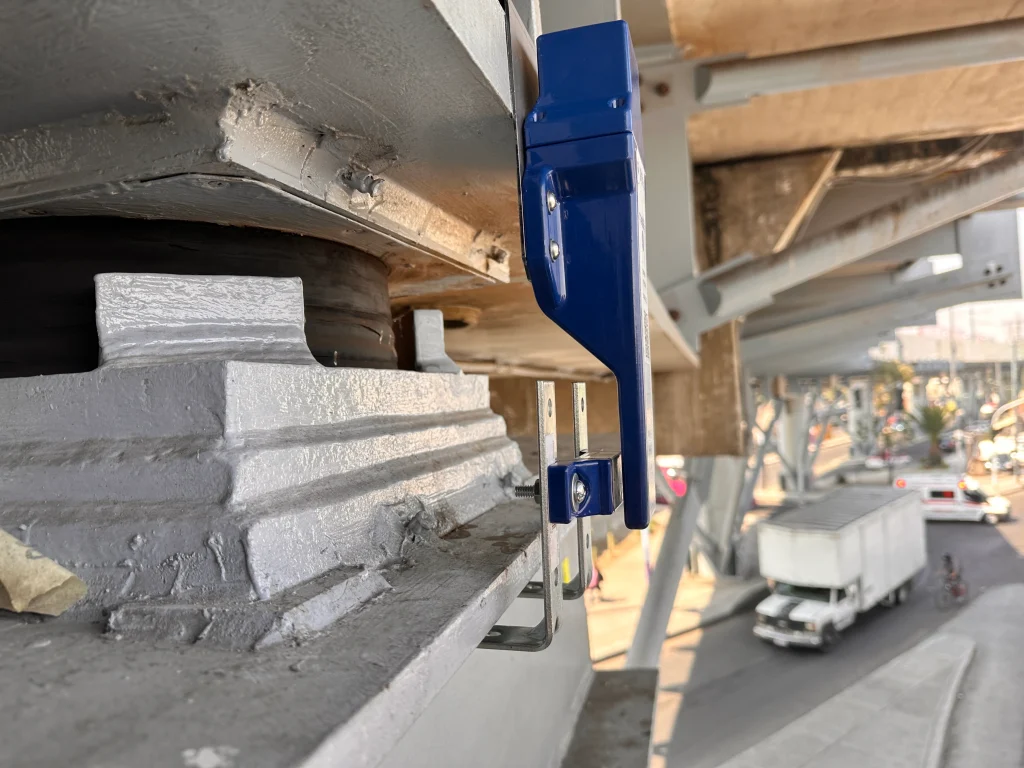
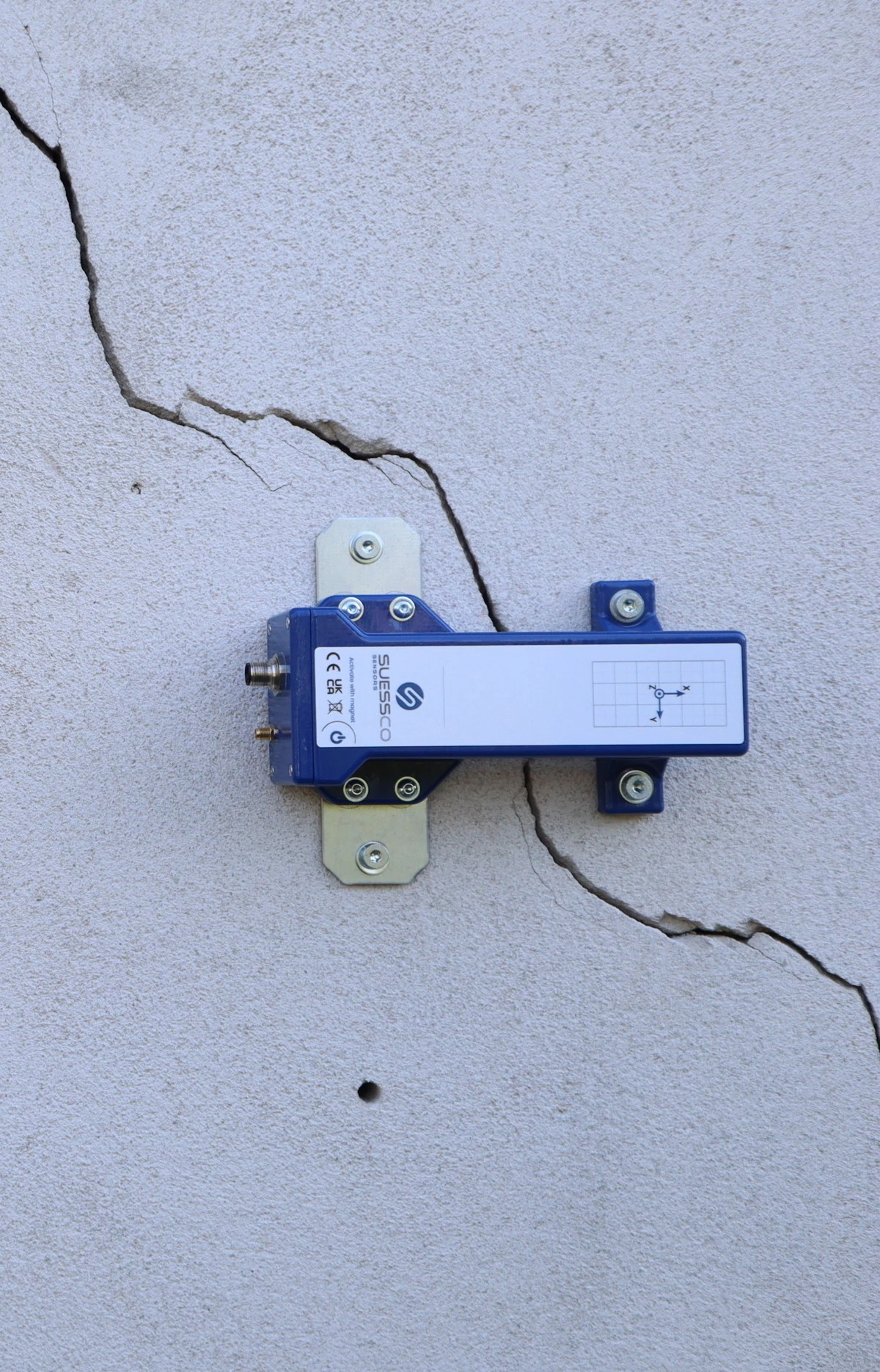
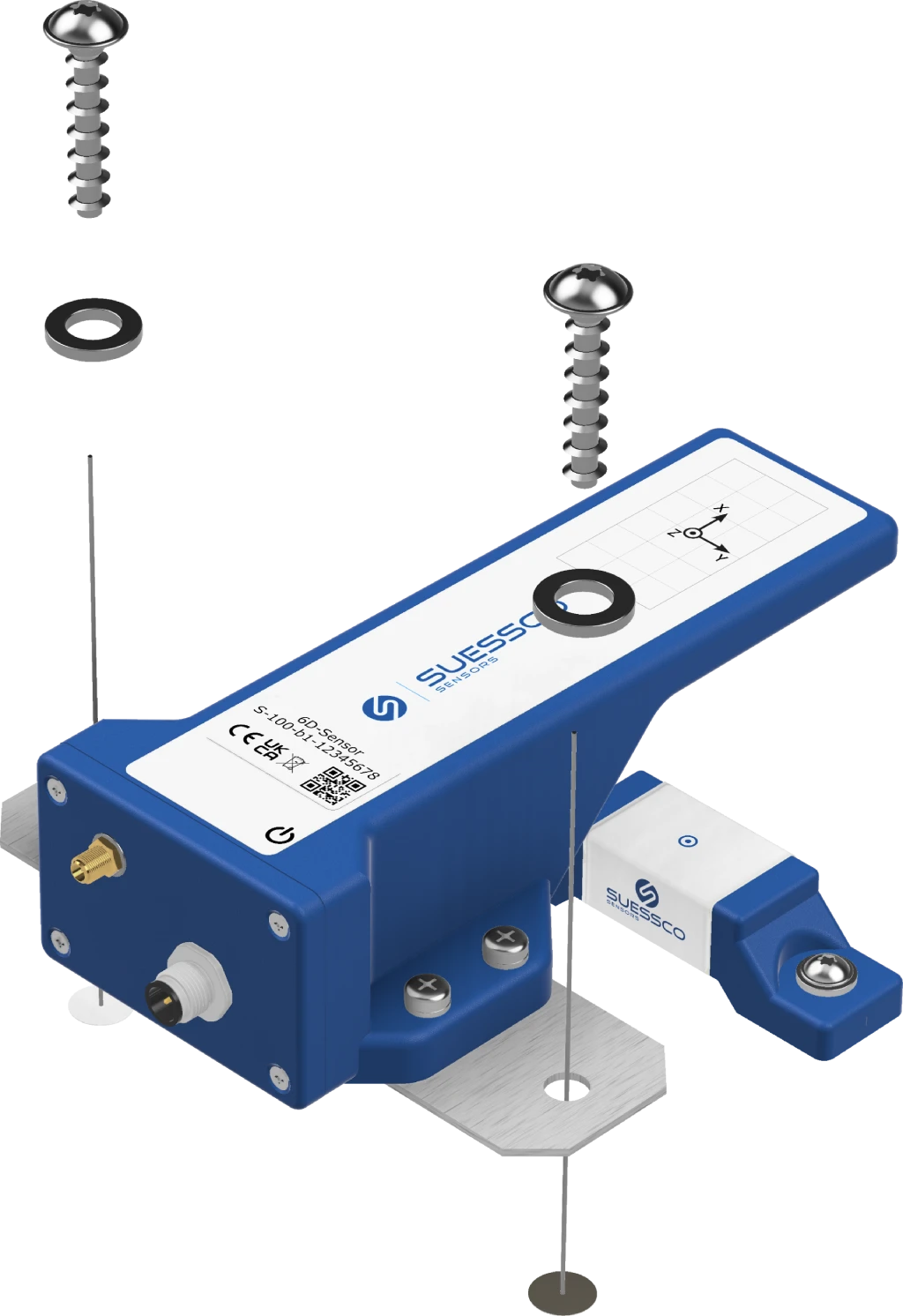
The reference object and sensor are each secured with two screws on either side of the crack or joint. No special tools, no drilling into load-bearing structures, and no need for outside installers. Activation is performed by placing a magnet against the sensor or connecting the battery cable, depending on the sensor model.
2
6D Instructions

Automatically transfer measured values

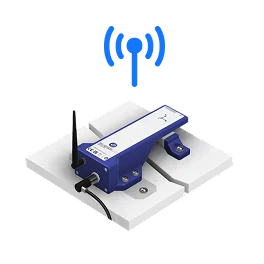
As soon as the sensor is active, it transmits all measurement data wirelessly to our data hub. Data is transmitted via LTE-M; the 3D Sensor and 3D Sensor XT also transmit via Wi-Fi. The data appears in the dashboard as soon as it is transmitted, without the need for anyone to be on site.

3
Immediate notification if the threshold is exceeded

Immediate notification if the threshold is exceeded

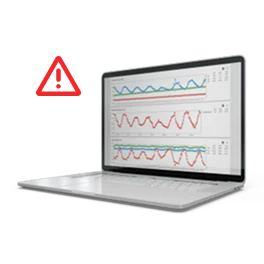
Our system sends an email notification as soon as a crack exceeds the set threshold. All measurement data is available over time and provides comprehensive documentation for construction monitoring, expert reports, and regulatory agencies.

Measurement points for crack monitoring
Book a free consultation

Recommended sensors for crack monitoring

We have the right sensor for every measurement point and requirement.

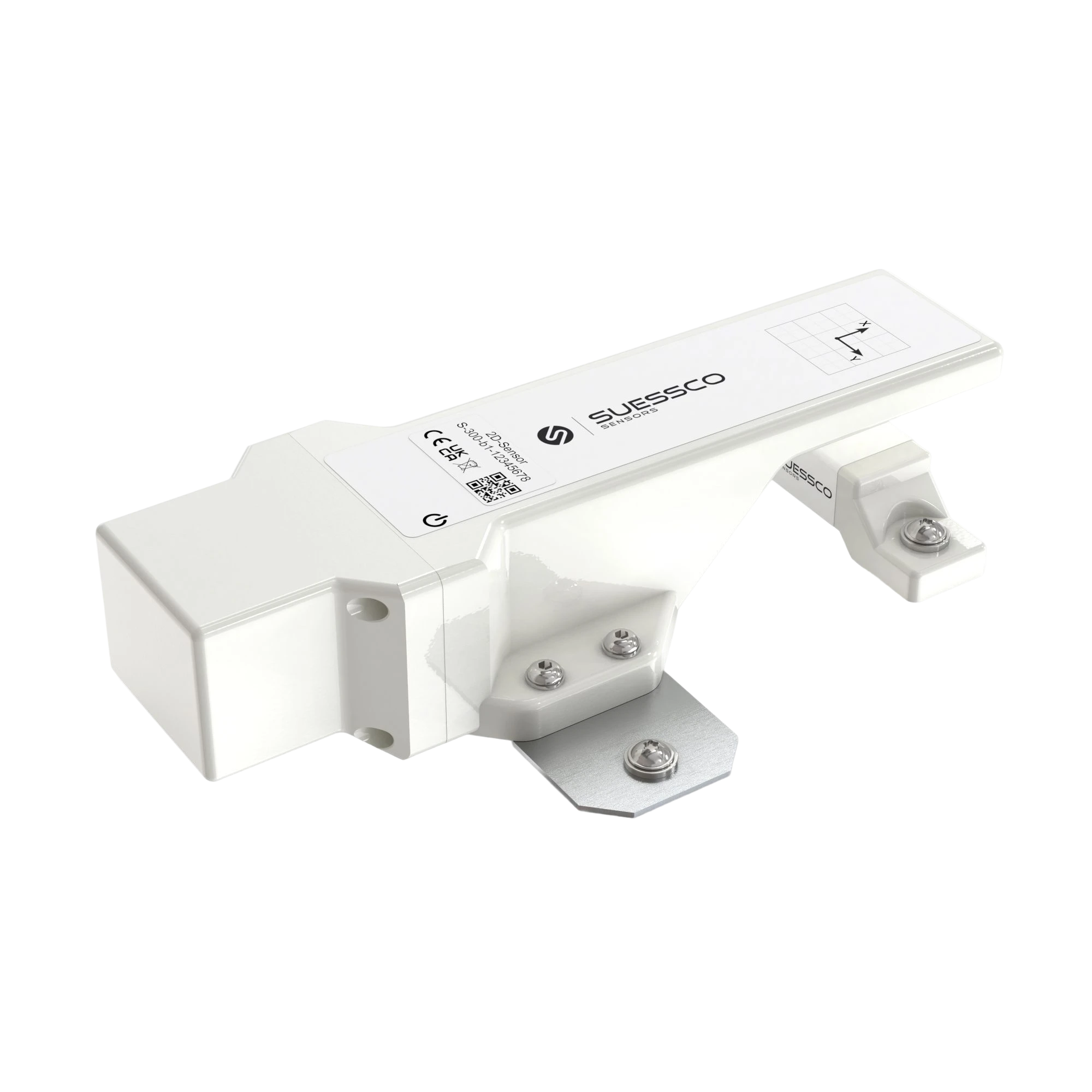
SuessCo 2D Sensor

The specialist in crack and joint monitoring. It measures relative movement in two axes as well as temperature and transmits all data wirelessly to our data hub.

Features:
  • Measurement in two spatial axes (X, Y)
  • Repeatability ±100 µm
  • Built-in temperature sensor
  • Up to 10 years of battery life with daily measurements
  • Wireless transmission via LTE-M
  • Installation using two screws per component
SuessCo 2D Sensor

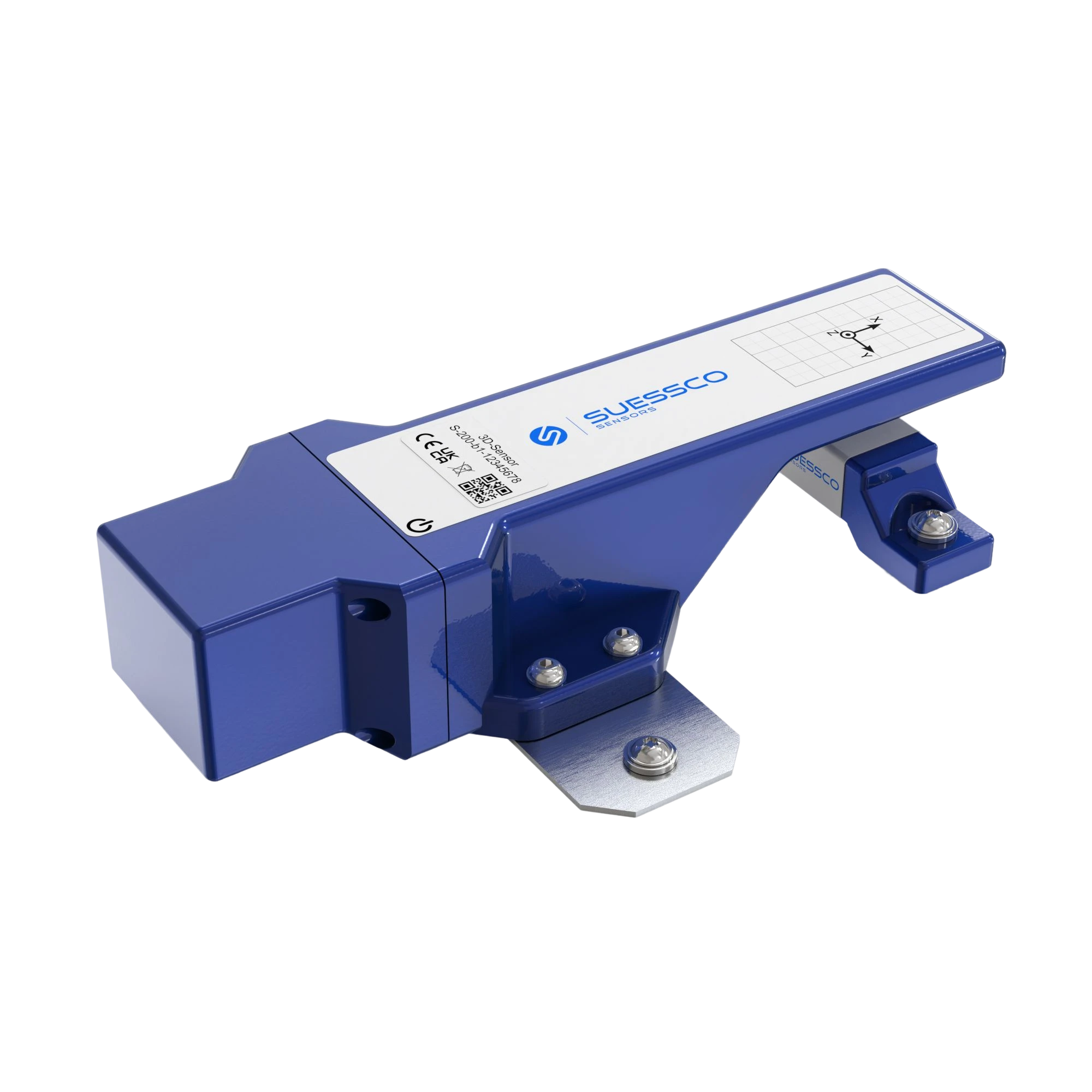
SuessCo 3D Sensor

For cracks and joints that move in three dimensions. It detects absolute positional changes along three spatial axes and transmits all data wirelessly to our data hub.

Features:
  • Measurement in three spatial axes (X, Y, Z)
  • Repeatability ±50 µm
  • Built-in temperature sensor
  • Up to 10 years of battery life with daily measurements
  • Wireless transmission via LTE-M and Wi-Fi
  • Compact design with no external cables
SuessCo 3D Sensor

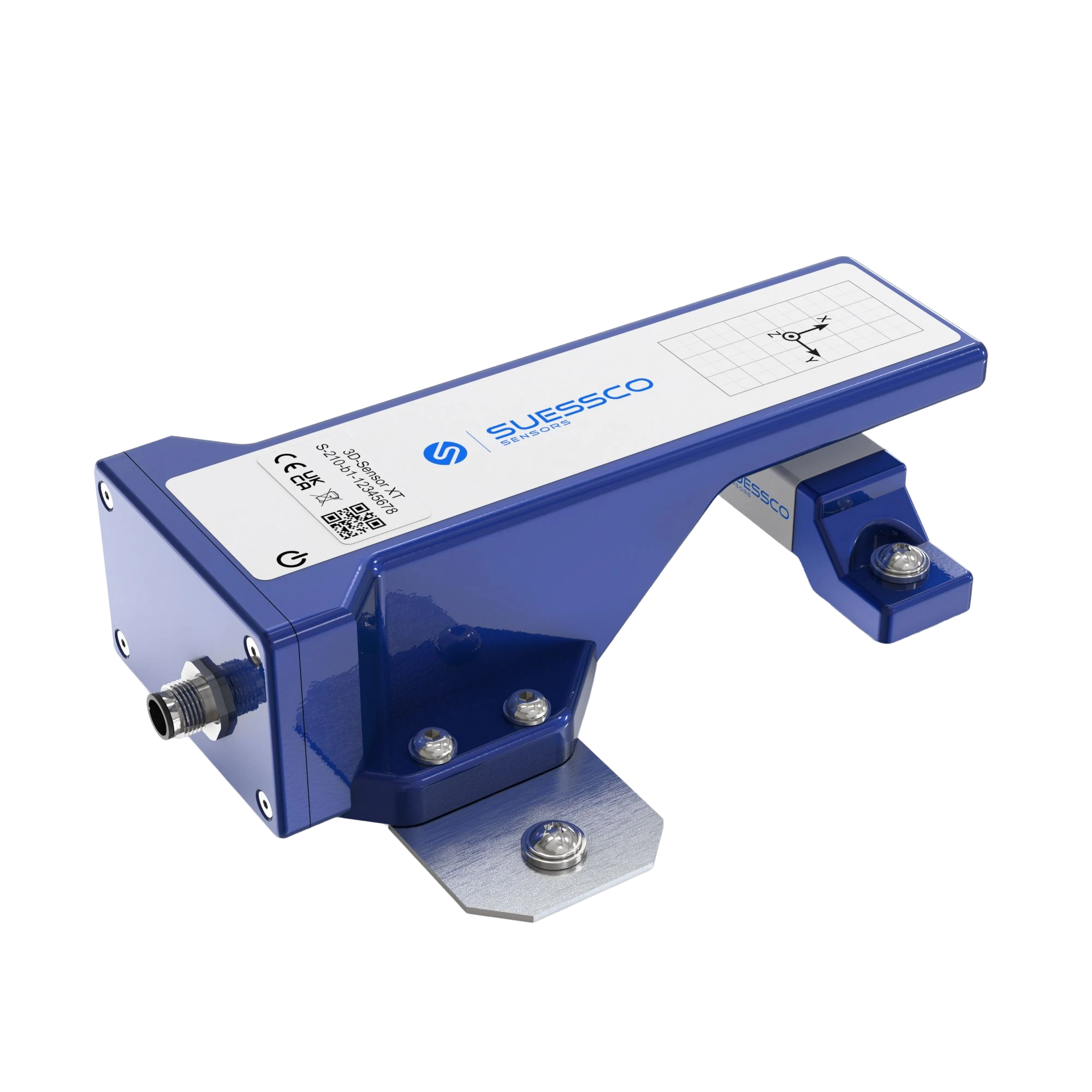
SuessCo 3D Sensor XT

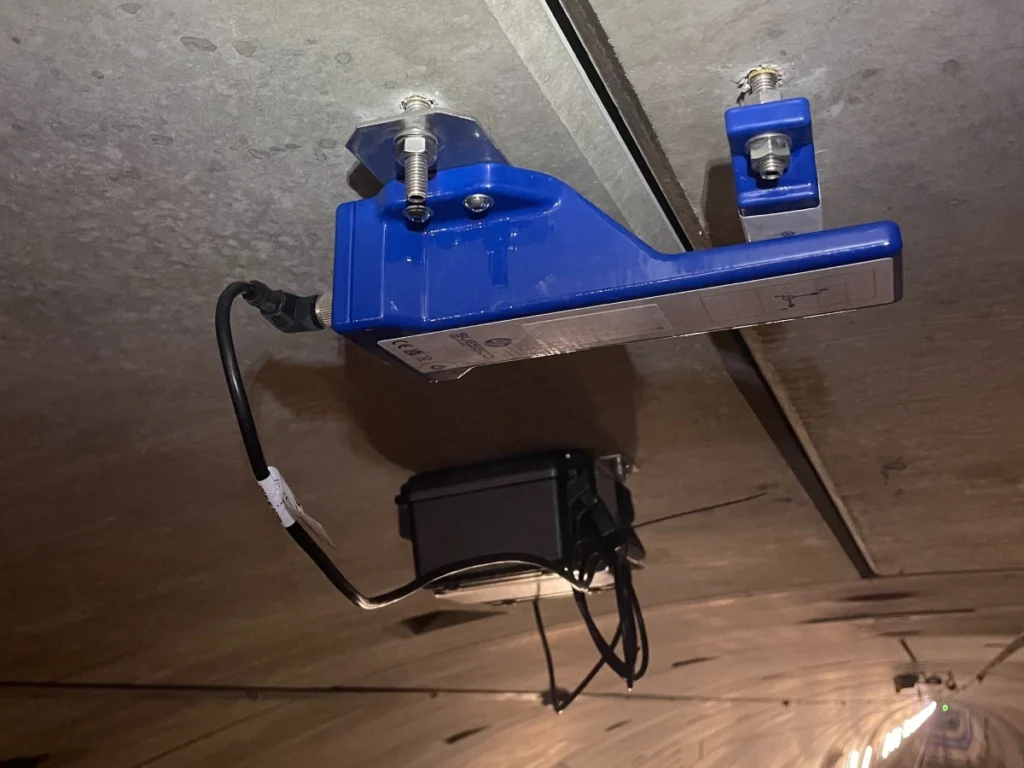
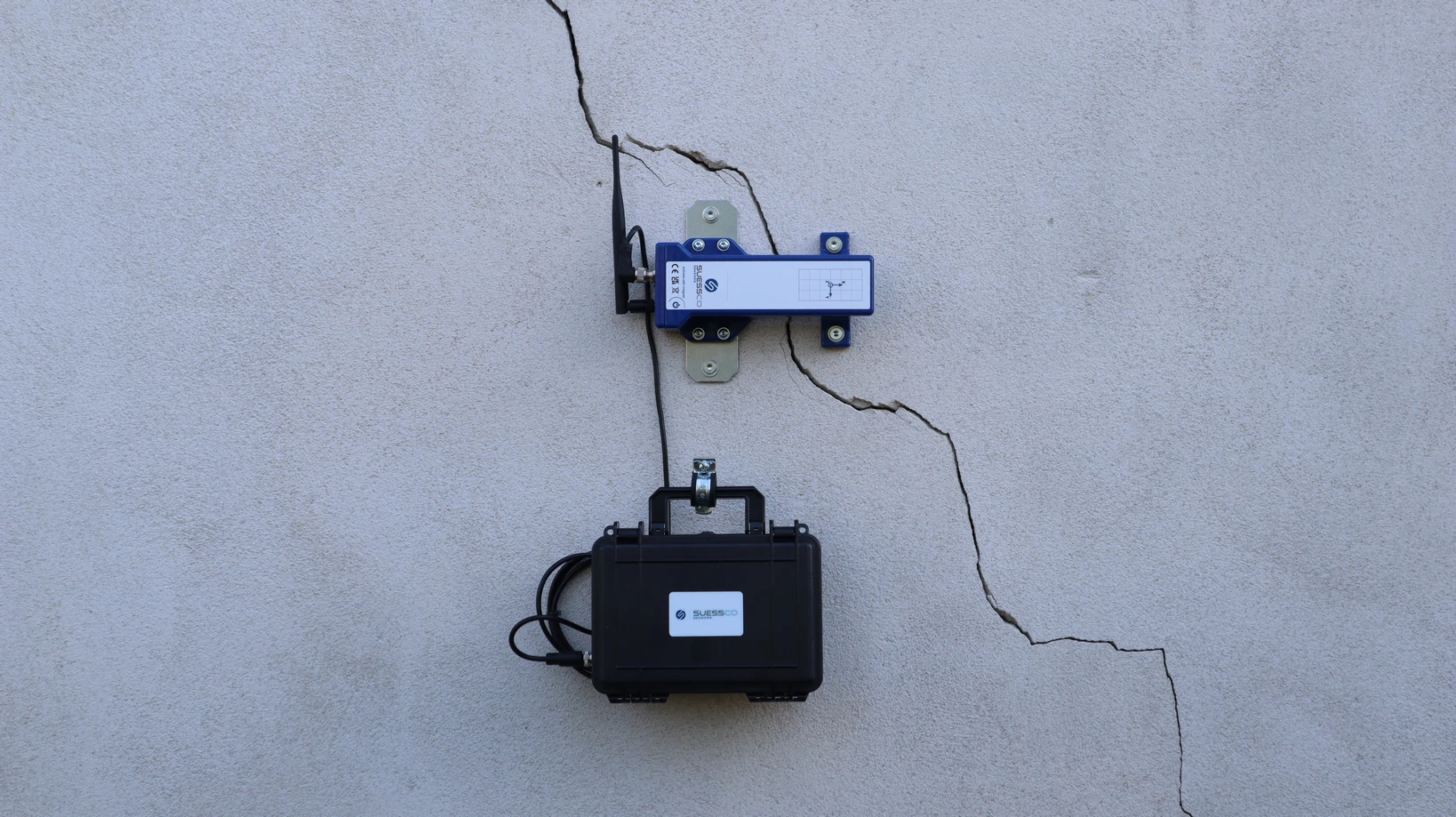
For long-term crack monitoring in hard-to-reach locations. Measures hourly in three spatial axes throughout the entire project duration, with no maintenance required on the sensor thanks to an external battery box.

Features:
  • Measurement in three spatial axes (X, Y, Z)
  • Repeatability ±50 µm
  • External battery box for hourly measurements
  • Up to 10 years of battery life
  • Built-in temperature sensor
  • Wireless transmission via LTE-M and Wi-Fi
3D Sensor XT
What's changing for you

Specific differences compared to manual crack measurement.

Wireless, no cables required

No cable ducts, no drilling into load-bearing structures, no need for professional installers. The sensor is secured with two screws and begins transmitting as soon as it is activated.

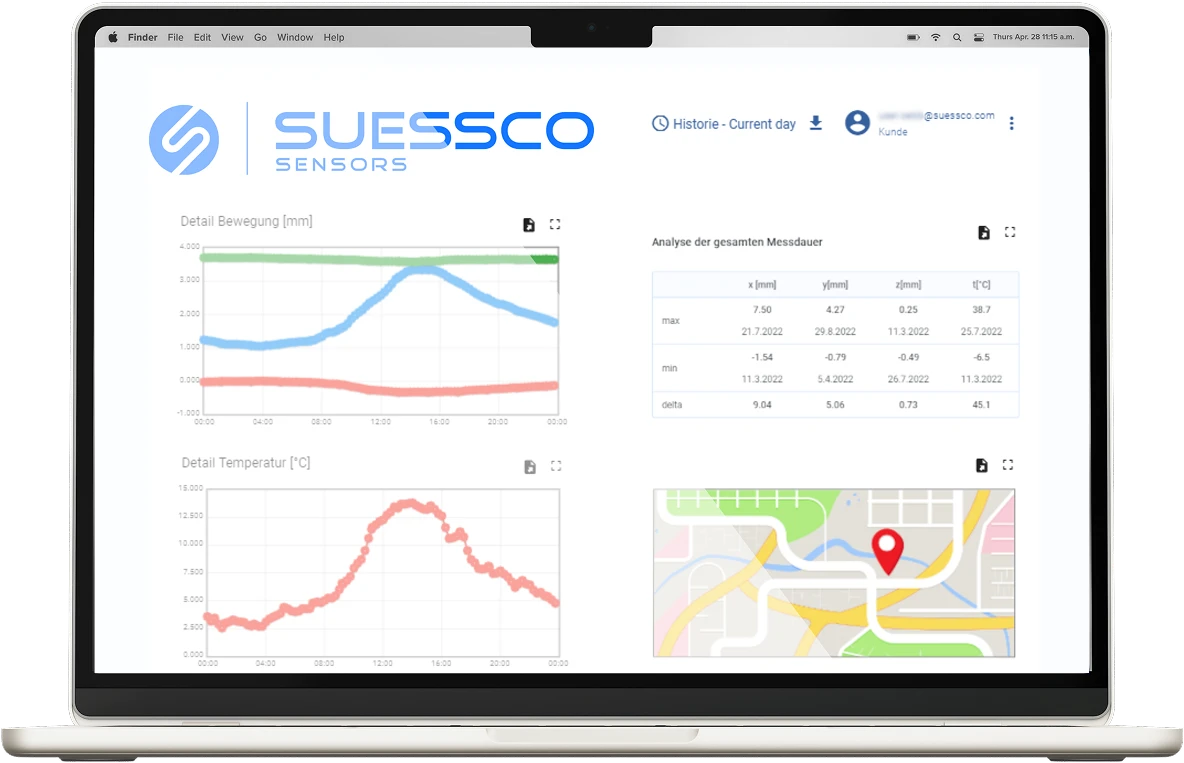
SuessCo Datahub Dashboard
All measurement data in a single dashboard. CSV export for structural engineers and reports, API integration for third-party sensors, and multi-tenant support for complex projects.
Datahub in Detail
Micrometer precision

±50 µm repeatability for the 3D Sensor and 3D Sensor XT. ±100 µm for the 2D Sensor. In any case, these are orders of magnitude more accurate than visual or purely mechanical crack measurement.

Early warning of critical changes
Threshold Alerts via Email and Text Message

You define the threshold value for each monitoring point. As soon as that value is exceeded, our system automatically sends an email notification to the designated recipients.

Up to 10 years of battery life

No maintenance is required on the sensor throughout the entire project. Even at measurement points that are accessible only via a boom lift or scaffolding, the sensor continues to measure without interruption.

Real-world projects

Selected crack monitoring projects involving the use of our sensors.

May1

Brentenberg Tunnel

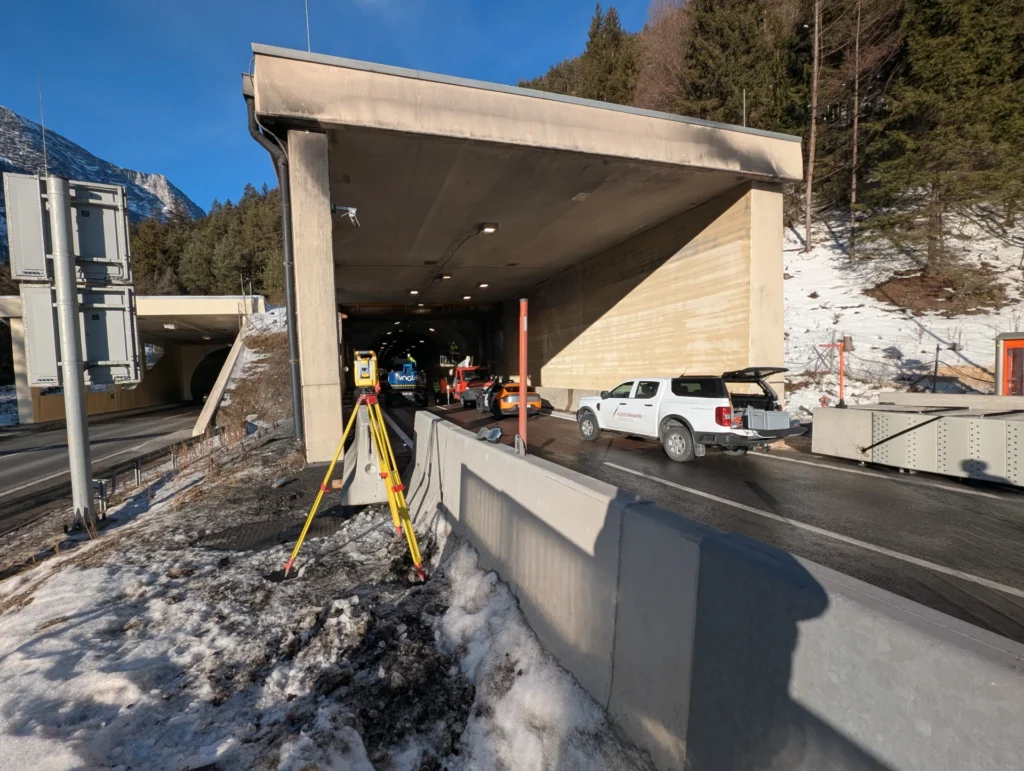
Real-time structural monitoring following a tunnel fire to enable rapid reopening during ongoing restoration work.

Building:
Tunnel
Location:
Austria
Sensors:
3D sensor
Read the case study
Brentenberg Tunnel

Rastatt Tunnel

Wireless 3D measurement of concrete segments in tunnel construction.

Building:
Tunnel
Location:
Germany
Sensors:
3D Sensor XT
Read the case study
Rastatt Tunnel

Stuttgart 21

Continuous monitoring of structural movements in the historic reception building during the critical construction phase

Building:
Historic train station building
Location:
Stuttgart, Germany
Sensors:
6D sensor, GNSS sensor
Read the case study
Stuttgart 21

Residential building

High-precision building monitoring of settlement and crack development to assess damage caused by subway construction work.

Building:
Historic building
Location:
Central Europe
Sensors:
3D sensor, 6D sensor, GNSS sensor
Read the case study
Residential building

Danube Bridge

Monitoring of bearing and abutment movements and structure temperature during operation.

Building:
steel bridge
Location:
Lower Austria
Sensors:
6D sensor
Read the case study
Danube Bridge
May1

What our customers say

/
FAQ
Frequently Asked Questions About Crack Monitoring

For cracks that open primarily along two axes, the 2D sensor is the standard solution. For cracks with three-dimensional movement, we recommend the 3D sensor. At hard-to-reach measurement points with long project durations and hourly measurement intervals, the 3D sensor XT is the right choice because the external battery box lasts throughout the entire project period without requiring on-site maintenance.

The 2D sensor achieves a repeatability of ±100 µm in both axes. The 3D sensor and the 3D sensor XT achieve ±50 µm in all three spatial axes. All three sensors also measure temperature with an accuracy of ±0.5 °C, as temperature changes significantly affect motion interpretation.

With a daily measurement interval, the service life for both the 2D sensor and the 3D sensor is ten years. The XT 3D sensor achieves a service life of ten years with an hourly measurement interval, as its external battery box is designed for this purpose. Generally, no battery replacement is necessary during the project period.

The reference object and sensor are each secured with two screws. No special tools, no specialized personnel, and no external installers are required. The 2D sensor and 3D sensor are activated by placing a magnet against them, while the 3D Sensor XT is activated by connecting the battery cable. Setup is complete in just a few minutes.

All measurement values are available in the Datahub as CSV exports, including both raw values and the difference from the zero value. Third-party sensors can be integrated into the same platform via the API, so you have all your project's measurement data in one place.

*(Open): The behavior in the event of a connection failure is not publicly specified. Before publication, confirm whether local buffering occurs in the sensor and for how long.*

Discuss crack monitoring for your project

During the consultation, we’ll show you which sensor is right for your application and how quickly our sensors can be up and running.