Home / Sensors / SuessCo 6D Sensor
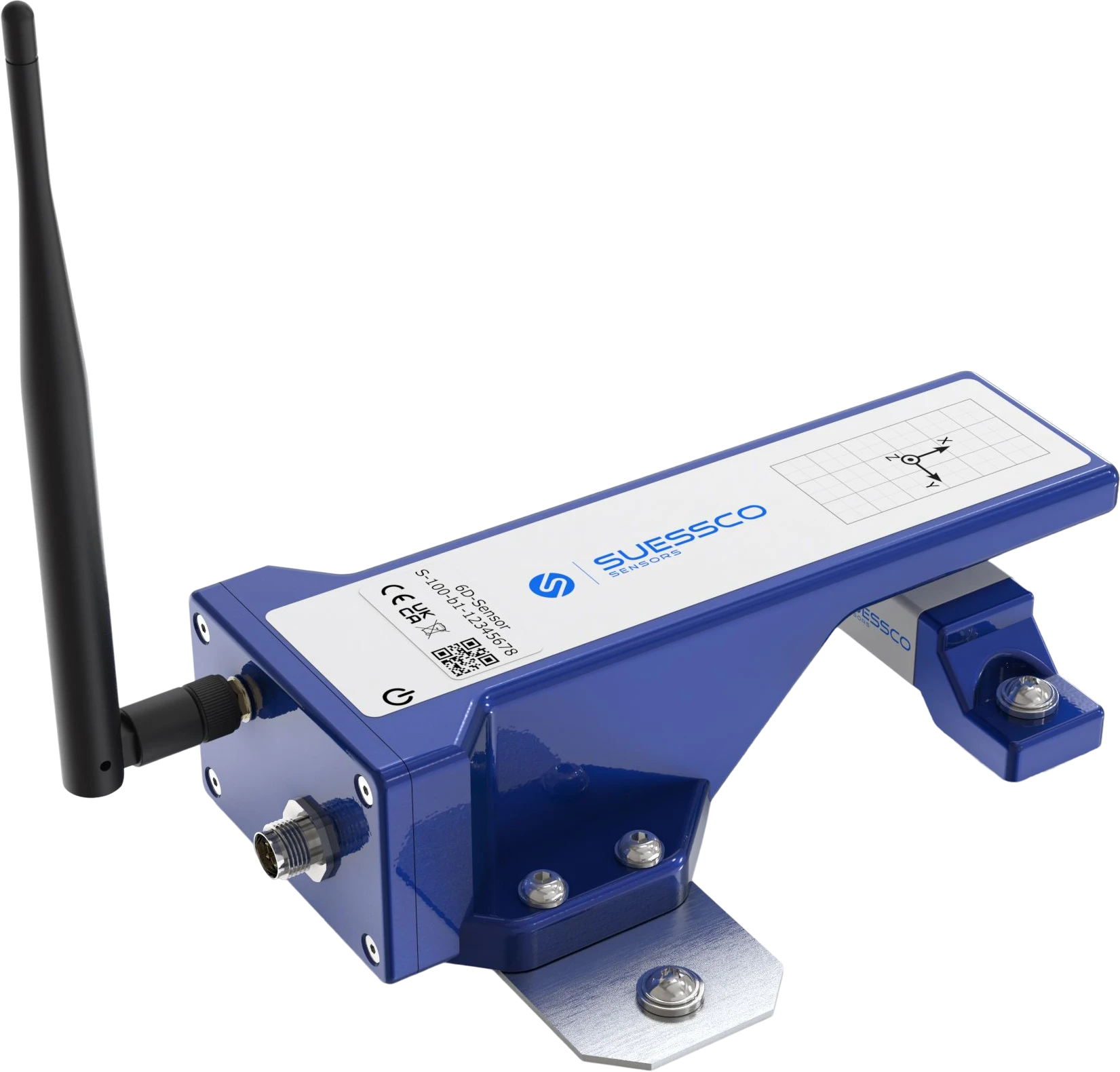
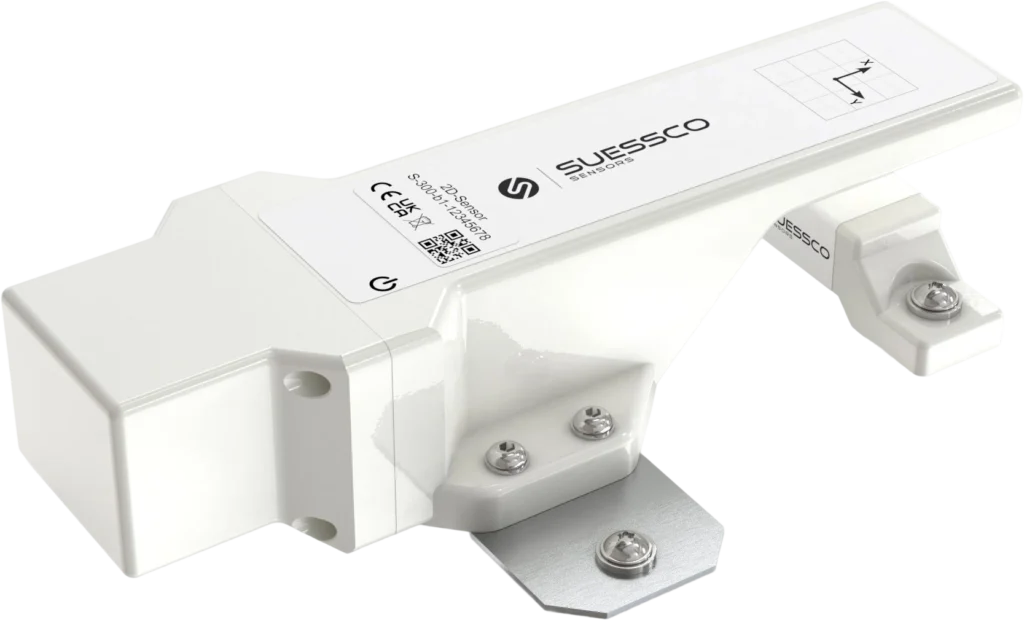
6D sensor

Capturing six dimensions of motion in a single structure

Movements along three spatial axes and rotations around three axes are measured simultaneously. Repeatability: ±50 µm and ±0.1°. Patented in the EU and the U.S.

Capturing six dimensions of motion in a single structure

These companies rely on our sensor technology

Default Title
Default Title
Default Title
Default Title
Default Title
Default Title
Default Title
Default Title
Default Title
Default Title
Default Title
Default Title
Default Title
Default Title
Default Title
Default Title
Default Title
Default Title
Default Title
Default Title
Default Title

One sensor, multiple applications

Where the 6D sensor is used today.

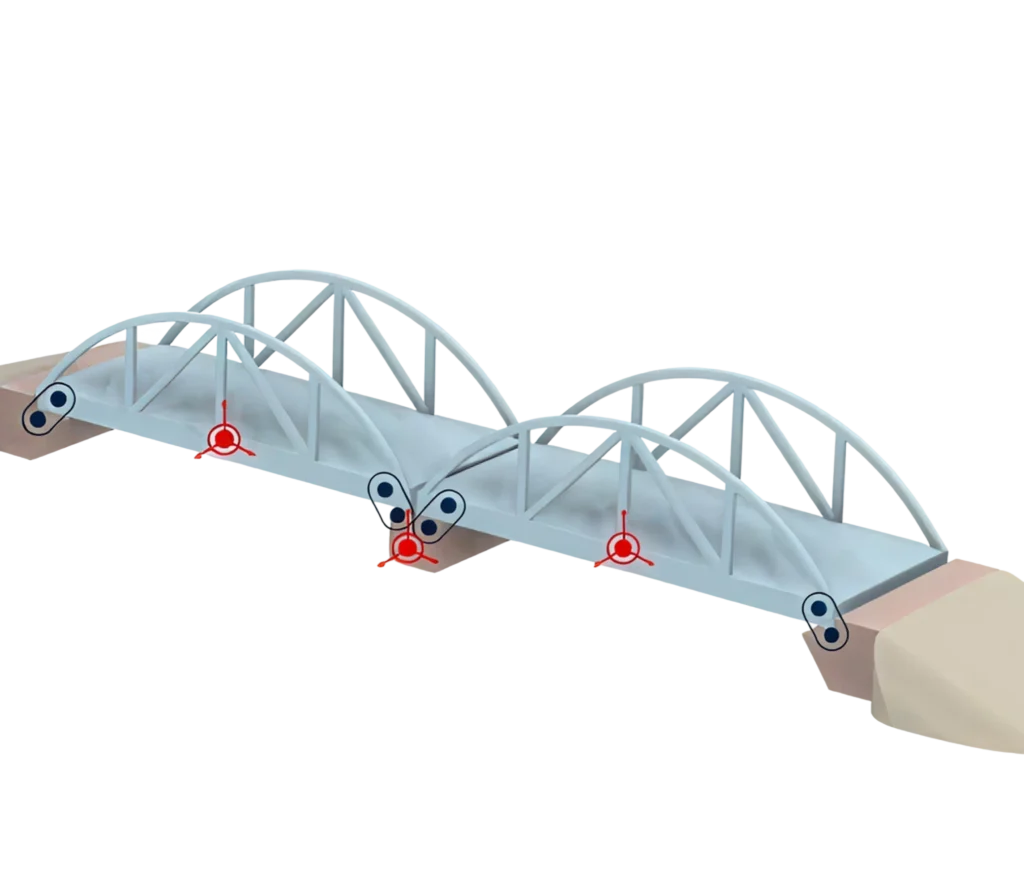
Bridges

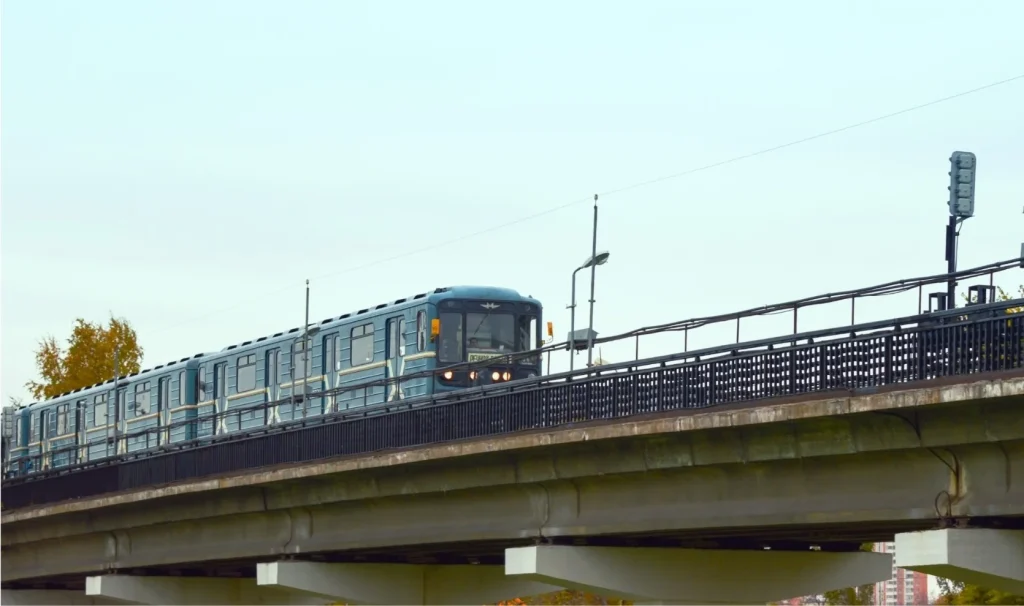
At bridge bearings, the 6D sensor measures bearing movements in all six degrees of freedom. This indicates whether a bearing is operating within normal limits or whether a critical condition is developing.


Bridge Monitoring

Industrial facilities

The 6D sensor monitors positional changes and rotations in the tunnel cross-section at the tunnel rings and support frames.

Industrial facilities

Tunnel

The 6D sensor monitors positional changes and rotations in the tunnel cross-section at the tunnel rings and support frames.

Tunnel Monitoring

What's changing for you

Can be installed by the user

Can be installed by the user

Two screws per component; activated by a magnet or battery cable. No special tools, no on-site technical staff, and no additional measurement setups.

Datahub Dashboard

All measurement data in a single dashboard. CSV export for structural engineers and reports, API integration for third-party sensors, and multi-tenant support for complex projects.

Datahub in Detail
Early warning

Early warning

If a threshold is exceeded, our system automatically sends an email or text message notification to the designated recipients.

Wirelessly connected

Wirelessly connected

Data is transmitted directly to the SuessCo Datahub via LTE-M and Wi-Fi. No cable ducts, no external cabling on the building.

Low-maintenance

Low-maintenance

Up to 10 years of battery life. No battery replacement is necessary within the typical maintenance intervals for your building.

Key Features

Motion measurement in three spatial axes (X, Y, Z) and three rotational axes
Built-in temperature sensor with ±0.5 °C accuracy
Easy plug-and-play installation
Wireless data transmission via LTE-M and Wi-Fi
High repeatability with no drift
Connection to the monitoring platform with alarm functionality
Motion measurement in three spatial axes (X, Y, Z) and three rotational axes
Built-in temperature sensor with ±0.5 °C accuracy
Easy plug-and-play installation
Wireless data transmission via LTE-M and Wi-Fi
High repeatability with no drift
Connection to the monitoring platform with alarm functionality

What the 6D sensor measures

Dimensions
Key figures
Data collection

Sensor:

170 × 100 × 51 mm

Weight including base:

418 g

Reference property:

26 × 118 × 26 mm, 75 g

Cables:

2 m

Measuring range:

X 60 mm, Y 30 mm, Z 20 mm

Temperature:

−20 °F to +54 °F

Repeatability:

X, Y, Z axes ±50 µm. Rotation ±1°. Temperature ±0.5 °C *

Power supply:

Battery, or alternatively AC power or 24 V DC

Max. battery life:

Up to 10 years with one measurement per hour (measurement interval adjustable)

Data transmission and storage:

LTE-M, Wi-Fi, monitoring platform

6D Sensor Data Sheet - EN - Oct 2025

Download the brochure

Real-world projects

Selected projects using the 6D sensor.

May1

Brentenberg Tunnel

Real-time structural monitoring following a tunnel fire to enable rapid reopening during ongoing restoration work.

Building:
Tunnel
Location:
Austria
Sensors:
3D sensor
Read the case study
Brentenberg Tunnel

Rastatt Tunnel

Wireless 3D measurement of concrete segments in tunnel construction.

Building:
Tunnel
Location:
Germany
Sensors:
3D Sensor XT
Read the case study
Rastatt Tunnel

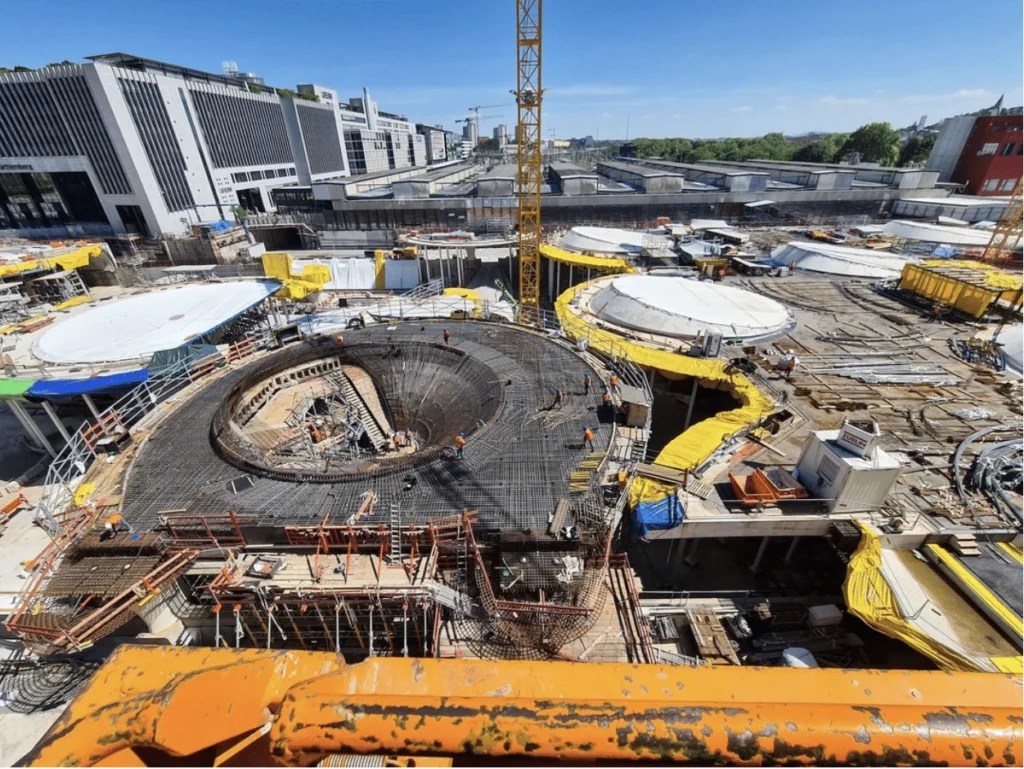
Stuttgart 21

Continuous monitoring of structural movements in the historic reception building during the critical construction phase
Building:
Historic train station building
Location:
Stuttgart, Germany
Sensors:
6D sensor, GNSS sensor
Read the case study
Stuttgart 21

Residential building

High-precision building monitoring of settlement and crack development to assess damage caused by subway construction work.

Building:
Historic building
Location:
Central Europe
Sensors:
3D sensor, 6D sensor, GNSS sensor
Read the case study
Residential building

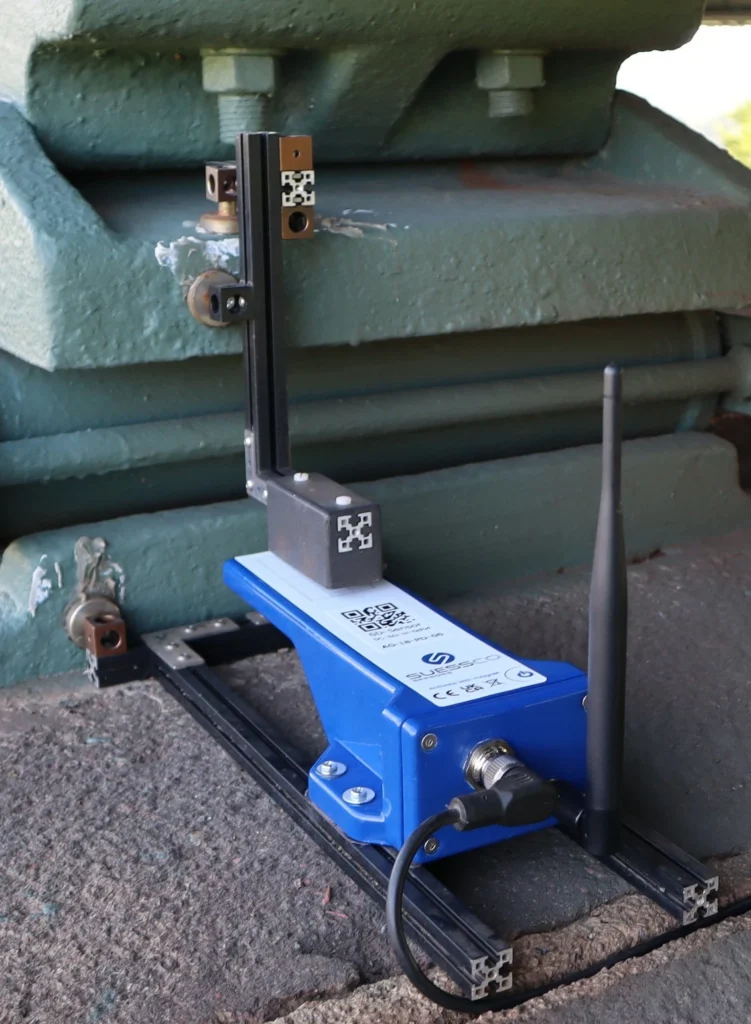
Danube Bridge

Monitoring of bearing and abutment movements and structure temperature during operation.
Building:
steel bridge
Location:
Lower Austria
Sensors:
6D sensor
Read the case study
Danube Bridge
May1

What our customers say

/
FAQ

Frequently Asked Questions About the 6D Sensor

The 6D sensor is the right choice whenever translations and rotations occur simultaneously and must be evaluated together. This is particularly the case for bridge bearings, machine foundations, structural joints, and historic buildings. Whereas a 3D sensor measures only translation, the 6D sensor provides a complete picture of the motion of a structure.

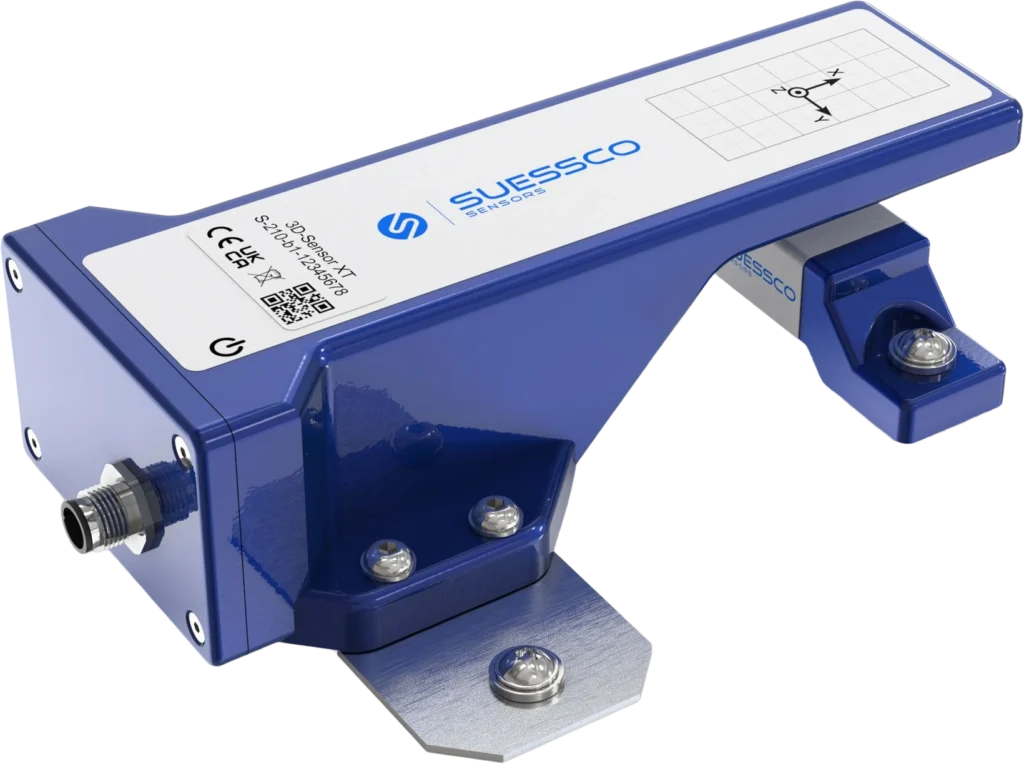
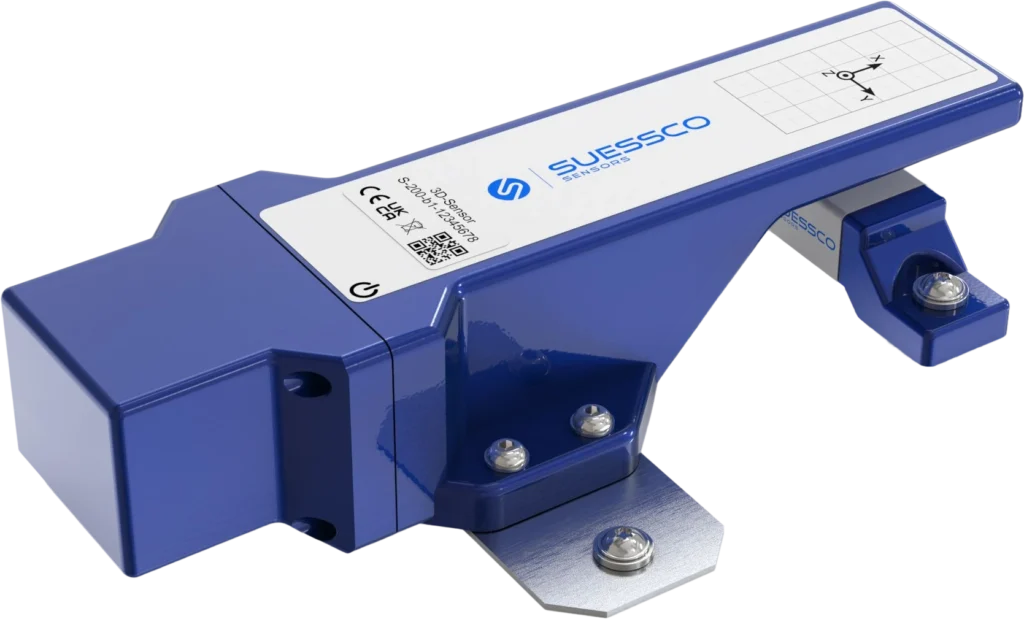
The 3D sensor measures absolute positional changes along three spatial axes (X, Y, Z). The 6D sensor additionally measures rotations around all three axes. This allows it to capture the complete motion profile at a measurement point with a single installation. For applications where only translations are relevant, the 3D sensor is the simpler solution.

The battery is designed to last for ten years with hourly measurements. No battery replacement is necessary during this period. This is particularly important at hard-to-reach measurement points, such as bridge bearings or tunnel linings, where maintenance would be time-consuming.

The 6D sensor transmits its measurement data wirelessly to the data hub via LTE-M and Wi-Fi. The protocol best suited for your project depends on the on-site infrastructure. If cellular reception is limited, the sensor uses Wi-Fi or a gateway. Our team can help you choose the right option.

The reference object and sensor can be attached to the component using two screws, adhesive, or magnets. Activation is triggered by placing a magnet on the sensor or connecting the battery cable. No special tools or on-site technical personnel are required. Our system is ready for use in just a few minutes.

Repeatability: ±50 µm in the three linear axes, ±1° in the three rotational axes, ±0.5 °C for the integrated temperature sensor.

Using the 6D sensor for your project

During the consultation, we’ll show you whether the 6D sensor is suitable for your application and how quickly the sensors can be installed.