





















Construction Phase Monitoring and Preservation of Evidence During Construction

Civil engineering work, excavation, and diaphragm walls cause the ground to shift well beyond the property line. Our sensors continuously monitor these movements, providing evidence for any future liability issues.

Detect settlement in the adjacent building before a crack appears

These companies rely on our sensor technology

Default Title
Default Title
Default Title
Default Title
Default Title
Default Title
Default Title
Default Title
Default Title
Default Title
Default Title
Default Title
Default Title
Default Title
Default Title
Default Title
Default Title
Default Title
Default Title
Default Title
Default Title

If you haven't assessed the damage, you can't assign it

As soon as the excavation is dug or the diaphragm wall is installed, the ground reacts. Neighboring buildings settle or rise, and the walls of the excavation shift. These movements develop over days and weeks, often several hundred meters away from the construction site.
If a crack appears in a neighboring building, the question arises as to whether the construction work caused it. Without a continuous series of measurements taken before, during, and after the work, this cannot be proven. Failure to preserve evidence during the construction phase then becomes a liability risk that jeopardizes the entire construction process.

This is how our sensors ensure safety during the construction phase

1
Take baseline measurements before construction begins

Take baseline measurements before construction begins

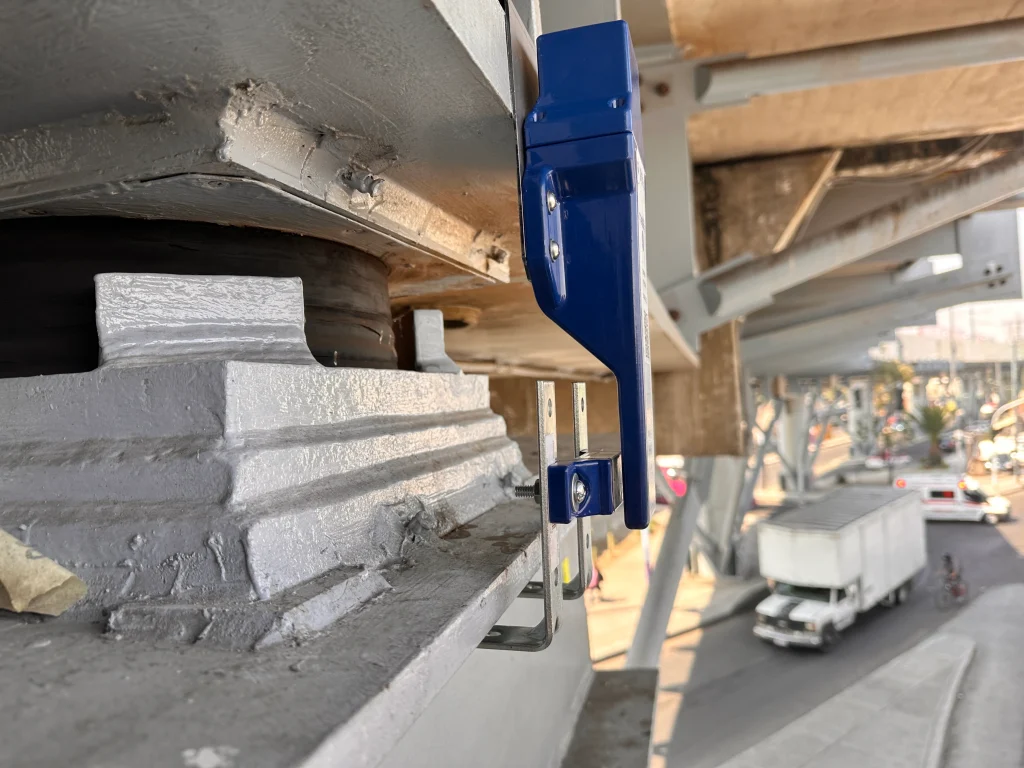
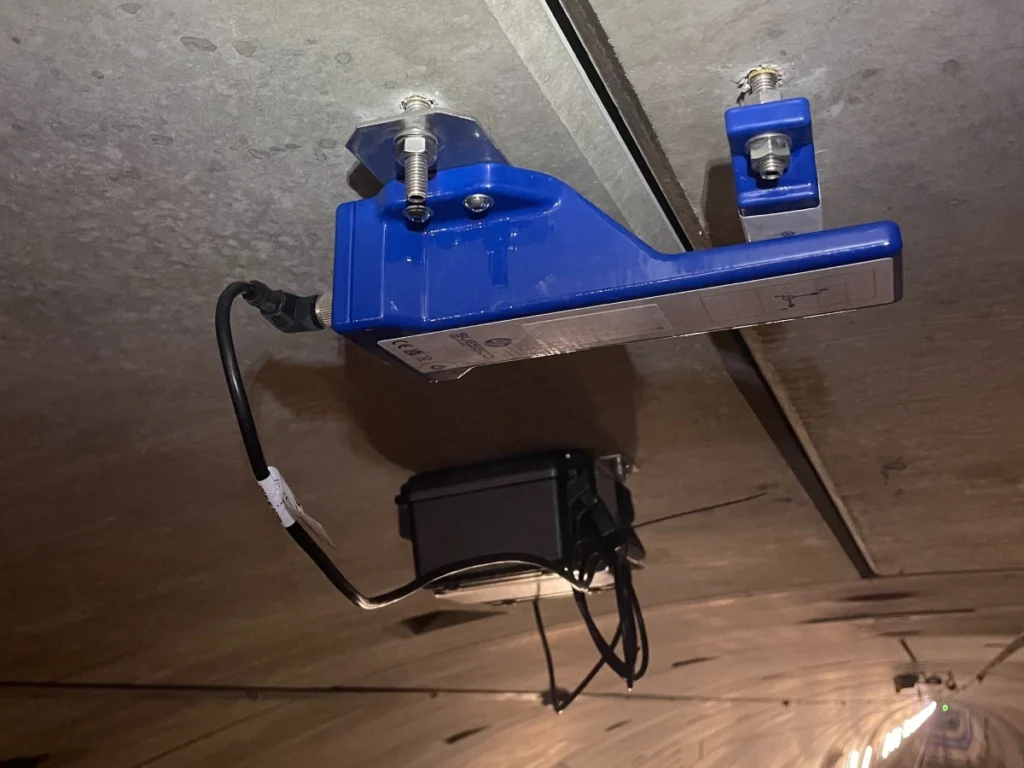
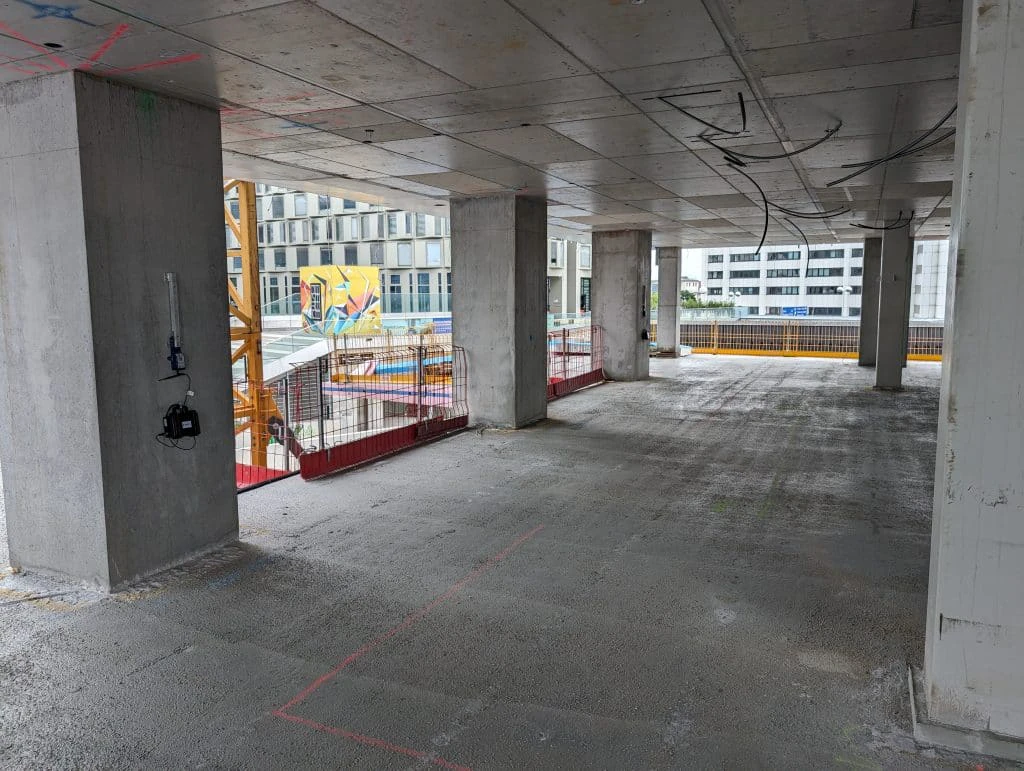
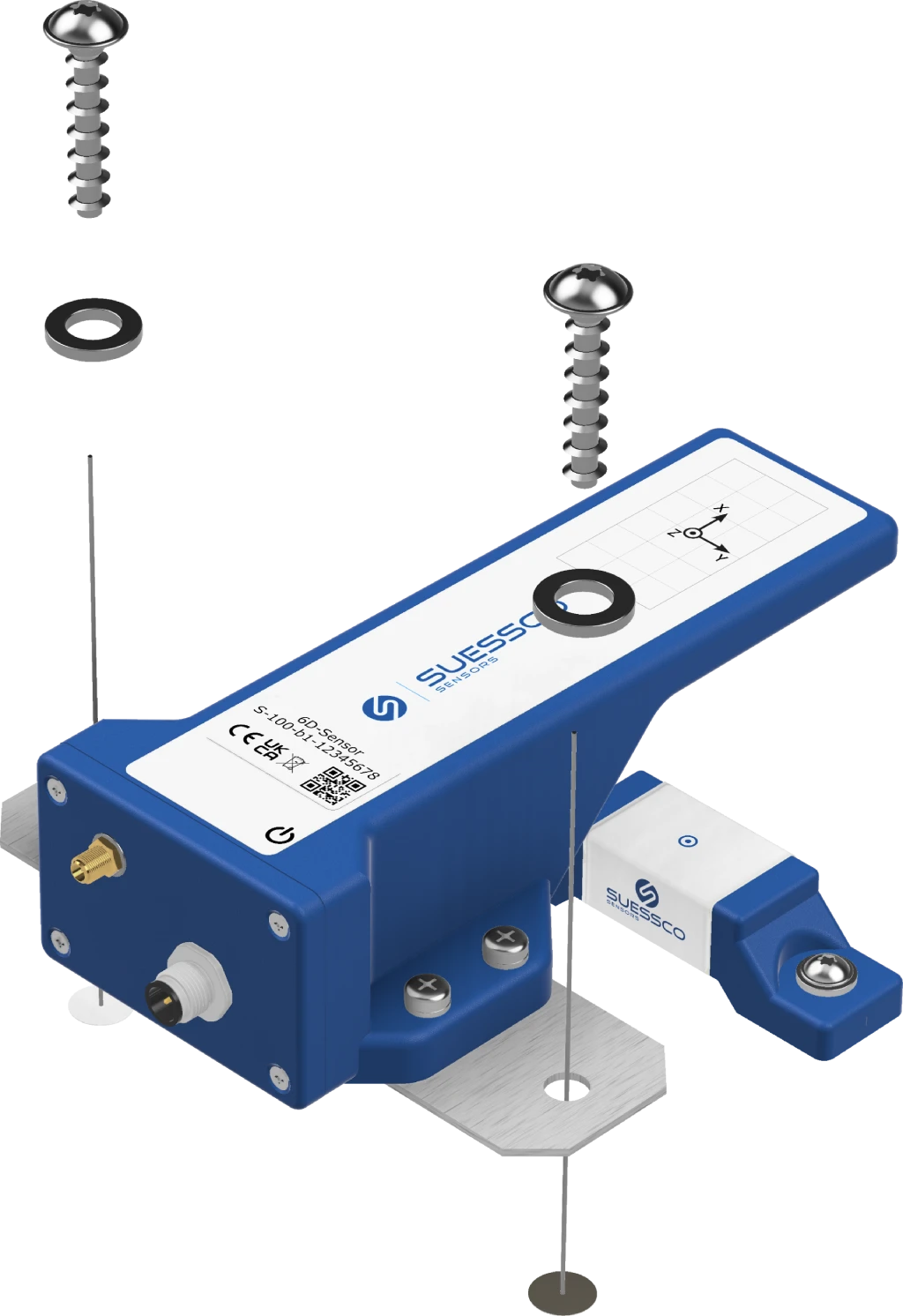
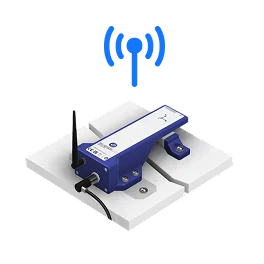
Before breaking ground, measurement points are set up on adjacent buildings and excavation walls. The sensor and reference object are each secured with two screws—no special tools are required, and there is no damage to the structural integrity. Activation is achieved by placing a magnet against the sensor or connecting the battery cable. This establishes the initial condition as a documented baseline value.
2
6D Instructions

Automatically transfer measured values

During construction, each measurement point transmits its position data wirelessly to our data hub. The 6D sensor records localized settlements and tilts, while our GNSS system captures the overall geometry of the construction site. The movement history can be accessed at any time as a time series without the need for anyone to be on site.

3
Immediate notification if the threshold is exceeded

Immediate notification if the threshold is exceeded

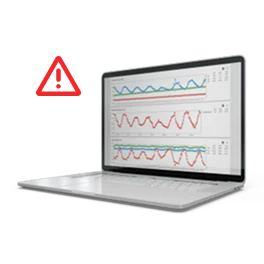
You define the critical values for each measurement point in advance. If these values are exceeded, our system sends an email notification to the designated recipients. The continuous series of measurements taken before, during, and after the work also serves as evidence in the event of any liability issues.

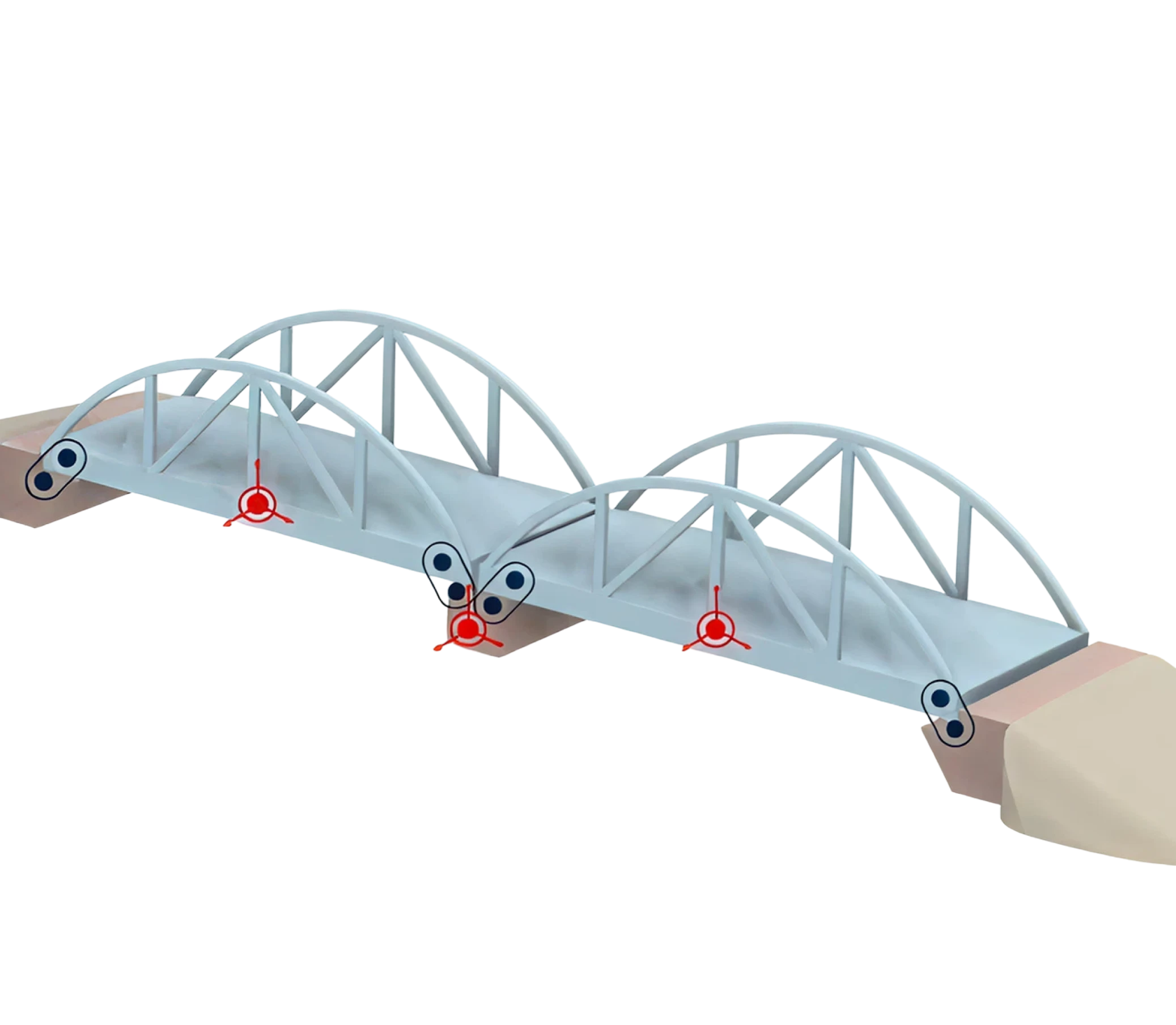
Measurement points in construction phase monitoring
Book a free consultation

Recommended sensors for construction phase monitoring

Depending on the range and measurement point, both sensors work together within the same project.

GNSS system (large-scale geometry)

For large-scale geometric monitoring across the construction site and over several hundred meters. Detects the absolute position of multiple measurement points relative to a fixed reference within a radius of approximately 2 km. *(Sensor recommendation pending; to be confirmed by Oliver Brandl.)*

Features:
  • Accuracy: 1.3 mm in the X and Y axes, 2 mm in the Z axis
  • At least three sensor points and one fixed reference point within a radius of approximately 2 km
  • Measurement interval: once a day
  • Wireless transmission via NB-IoT and LTE-M
  • Powered by mains electricity or solar power with a backup battery; not battery-powered
GNSS system

6D sensor (point-by-point evidence collection)

For precise data collection on adjacent buildings. Measures settlement and tilt at the same measurement point with a single measurement. *(Sensor recommendation pending; to be confirmed by Oliver Brandl.)*

Features:
  • Settlement and tilt at a measurement point (three spatial axes and rotation about three axes)
  • Repeatability: ±50 µm (translation), ±0.1° (rotation)
  • Built-in temperature sensor (±0.5 °C)
  • 10-year battery life with hourly measurements
  • Wireless transmission via LTE-M and Wi-Fi
  • Patent EP3792587B1
What's changing for you

Specific differences compared to retrospective damage assessment and simple point-based measurement.

Six dimensions in a single measurement
Large-scale geometry across the construction site

Our GNSS system maps the geometry of the entire construction site and supplements point measurements with a wide-area view. This means that even a neighboring building located far away—several hundred meters away—can still be measured within the system’s range.

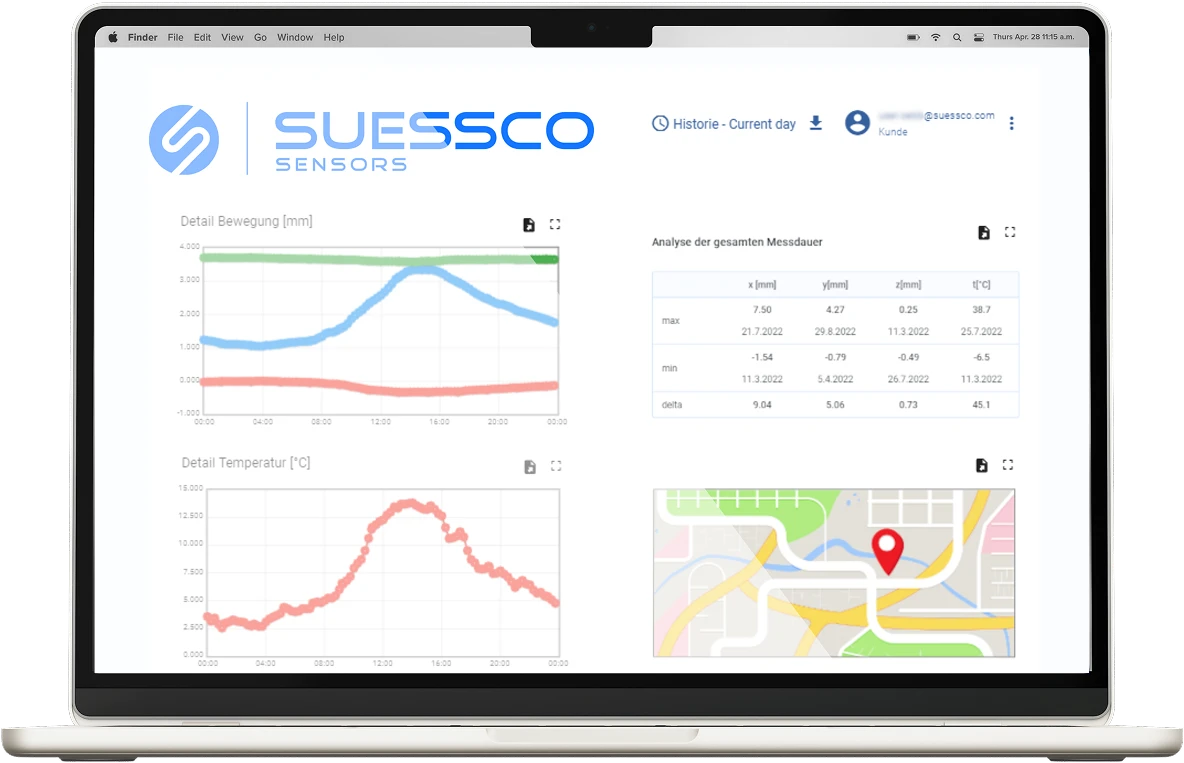
SuessCo Datahub Dashboard
All measurement data in a single dashboard. CSV export for structural engineers and reports, API integration for third-party sensors, and multi-tenant support for complex projects.
Datahub in Detail
Movement history for structural inspection
Evidence preservation with a complete history of movements

In the event of a dispute, the documented history of movements from the initial value to completion replaces "he said, she said" with hard data. The question of liability is based on data, not on memory.

Early warning
Detect settlement in adjacent buildings early

The 6D sensor measures settlement and tilt in the adjacent building in a single measurement. If threshold values are exceeded, our system sends an email notification. Critical settlement is detected before it causes visible damage to the adjacent building.

Can be installed by the user
Quick installation without disrupting the construction process

The reference point and sensor are each secured with two screws, and the GNSS antennas are positioned at a few key locations. No special tools are required, and there is no interruption to ongoing construction work. Measurement begins immediately after activation.

Real-world projects

Selected monitoring projects from the construction phase and the preservation of evidence.

May1

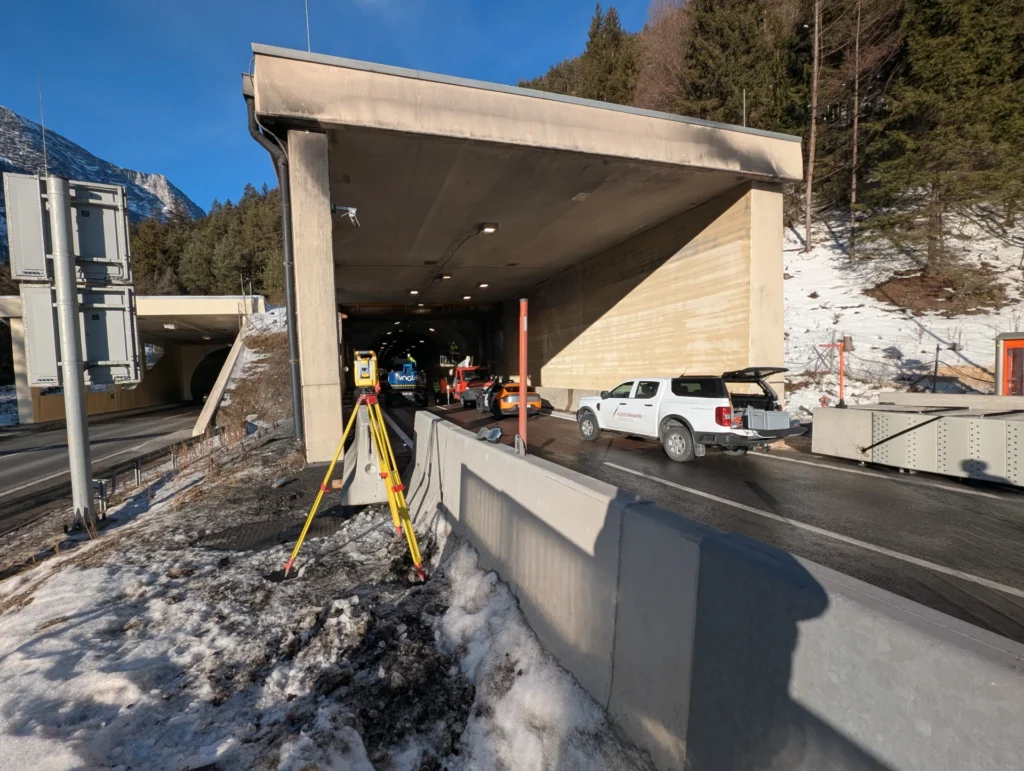
Brentenberg Tunnel

Real-time structural monitoring following a tunnel fire to enable rapid reopening during ongoing restoration work.

Building:
Tunnel
Location:
Austria
Sensors:
3D sensor
Read the case study
Brentenberg Tunnel

Rastatt Tunnel

Wireless 3D measurement of concrete segments in tunnel construction.

Building:
Tunnel
Location:
Germany
Sensors:
3D Sensor XT
Read the case study
Rastatt Tunnel

Stuttgart 21

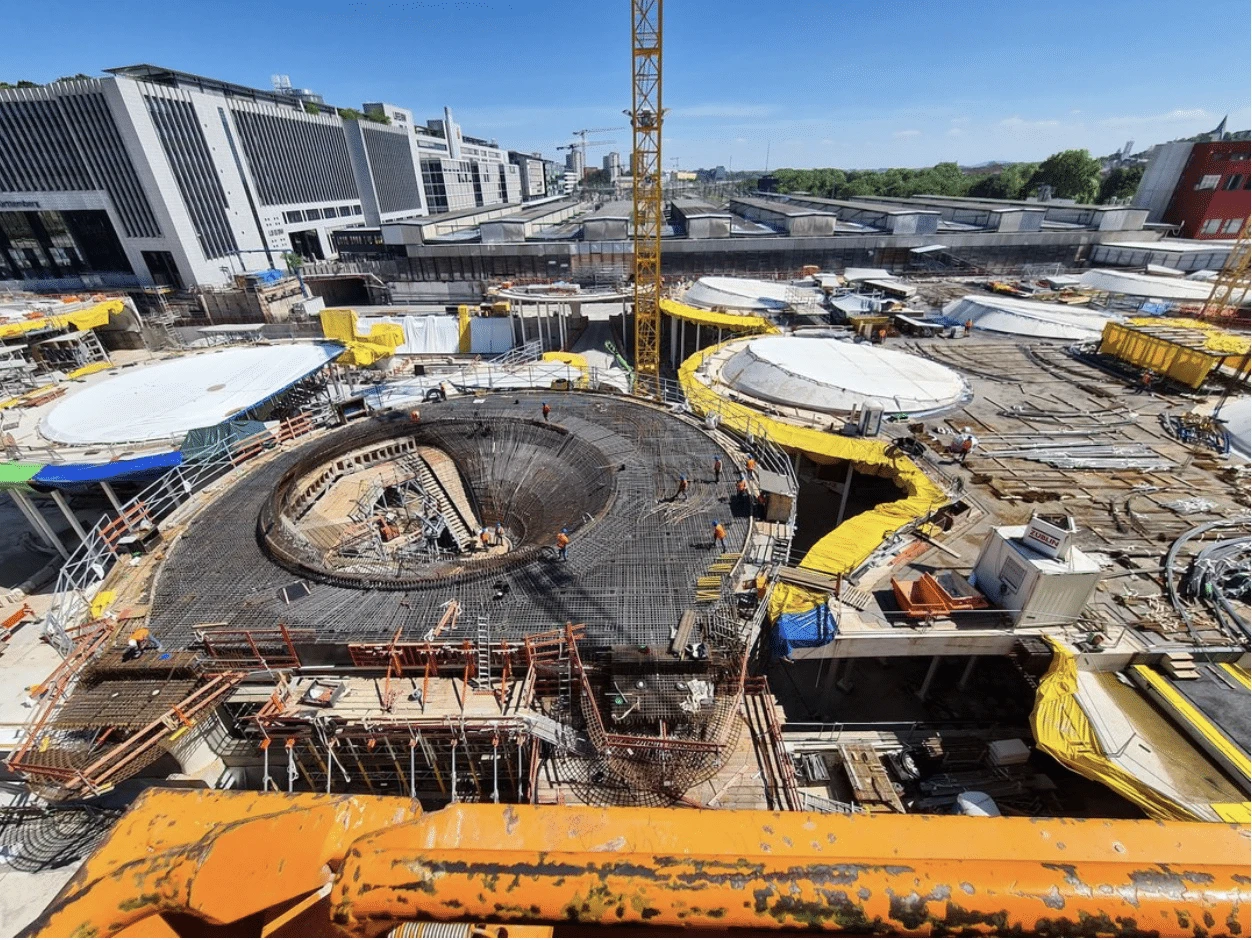
Continuous monitoring of structural movements in the historic reception building during the critical construction phase

Building:
Historic train station building
Location:
Stuttgart, Germany
Sensors:
6D sensor, GNSS sensor
Read the case study
Stuttgart 21

Residential building

High-precision building monitoring of settlement and crack development to assess damage caused by subway construction work.

Building:
Historic building
Location:
Central Europe
Sensors:
3D sensor, 6D sensor, GNSS sensor
Read the case study
Residential building

Danube Bridge

Monitoring of bearing and abutment movements and structure temperature during operation.

Building:
steel bridge
Location:
Lower Austria
Sensors:
6D sensor
Read the case study
Danube Bridge
May1

What our customers say

/
FAQ
Frequently Asked Questions About Construction Phase Monitoring

For targeted data collection on adjacent buildings, we recommend the 6D sensor because it measures settlement and tilt at the same measurement point. For large-scale monitoring of the construction site, we recommend the GNSS system, which tracks large-scale movements throughout the entire area affected by construction work. In large-scale projects, both systems work together within the same setup. *(Recommendation pending, to be confirmed by Oliver Brandl.)*

Before construction begins, we take a baseline measurement as a reference point, continuously record movements throughout the project, and conclude with a final measurement upon completion. This ensures that, for each measurement point, we have documented exactly what changes occurred and over what period of time. The complete history of movements is available as evidence for any future liability issues.

Yes. The area affected by civil engineering work and the excavation extends over several hundred meters. Our GNSS system records the absolute positions of multiple measurement points relative to a fixed reference point within a radius of about 2 km, making large-scale movements across the entire construction site visible.

Our 6D sensors and GNSS system measure displacement, settlement, and rotation, not high-frequency vibrations. Separate vibration sensors are required for vibration measurement, as were additionally used in the Stuttgart 21 project. *(Open): Clarify the availability of vibration sensors in Oliver Brandl’s product portfolio.*

The sensor and reference object are each secured with two screws, without the need for special tools. Once the magnet is attached or the battery cable is connected, the measurement point is active. This allows the reference measurement to be set up before construction begins, without a lengthy lead time.

You define the critical thresholds for each measurement point in advance. If these thresholds are exceeded, our system automatically sends an email notification to the designated recipients. This allows you to intervene in the construction process before critical settlement leads to damage.

Discuss evidence preservation for your construction phase

During the consultation, we will show you which measurement points to use to monitor neighboring buildings and the construction site, and how to structure the measurement series to serve as evidence.