Digital motion monitoring for structural restoration projects in historic preservation.
These companies rely on our sensor technology
Background
The Austrian Palace Administration manages numerous buildings and infrastructure sites that are part of the country’s architectural heritage, including the Hofburg, the Belvedere, the Federal Chancellery, and the Palm House. Various methods are employed to ensure the optimal preservation of these historic structures. These include monitoring systems designed to safeguard and document the historic buildings.
Requirements
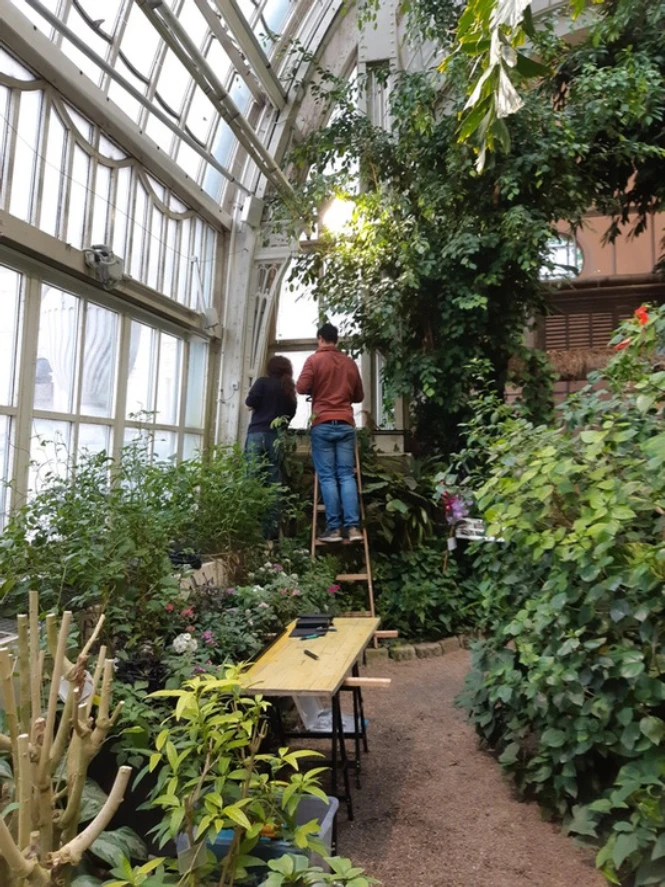
There were some shifts in the area of the Butterfly House, which is why SuessCo Sensors was commissioned to install a monitoring system. This system was designed to digitally record the movements of the Palm House. Based on the monitoring data, the optimal steps for the renovation work were determined. In addition, SuessCo sensors monitored the movements during the work to minimize risks and prevent damage.
Solution
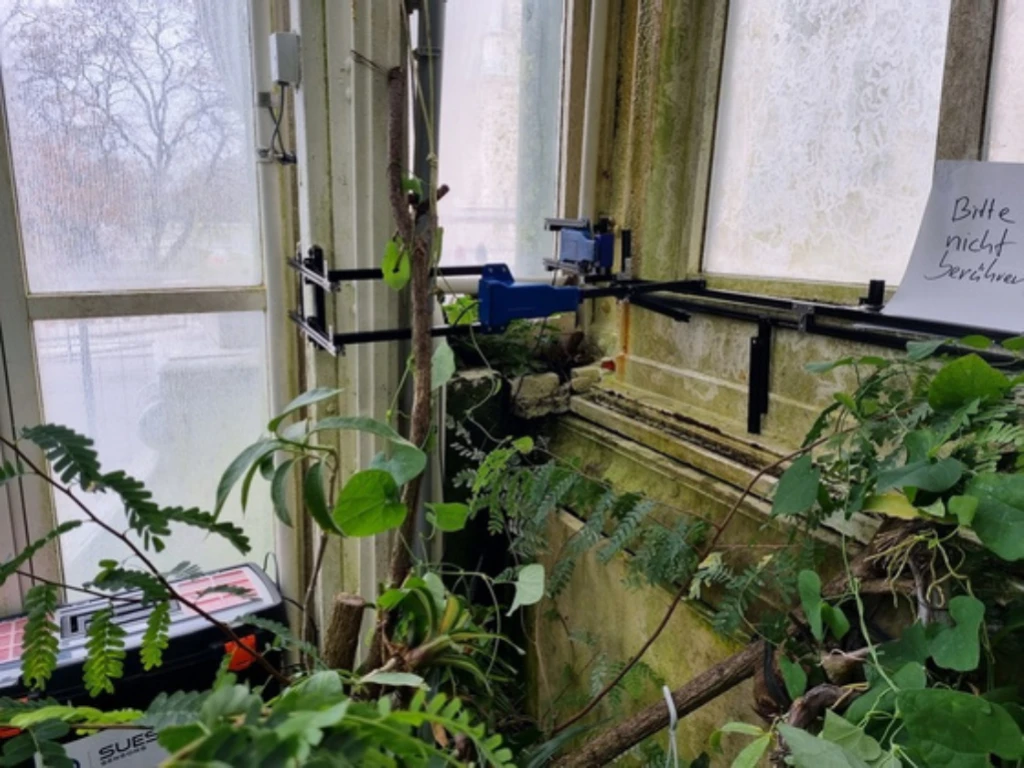
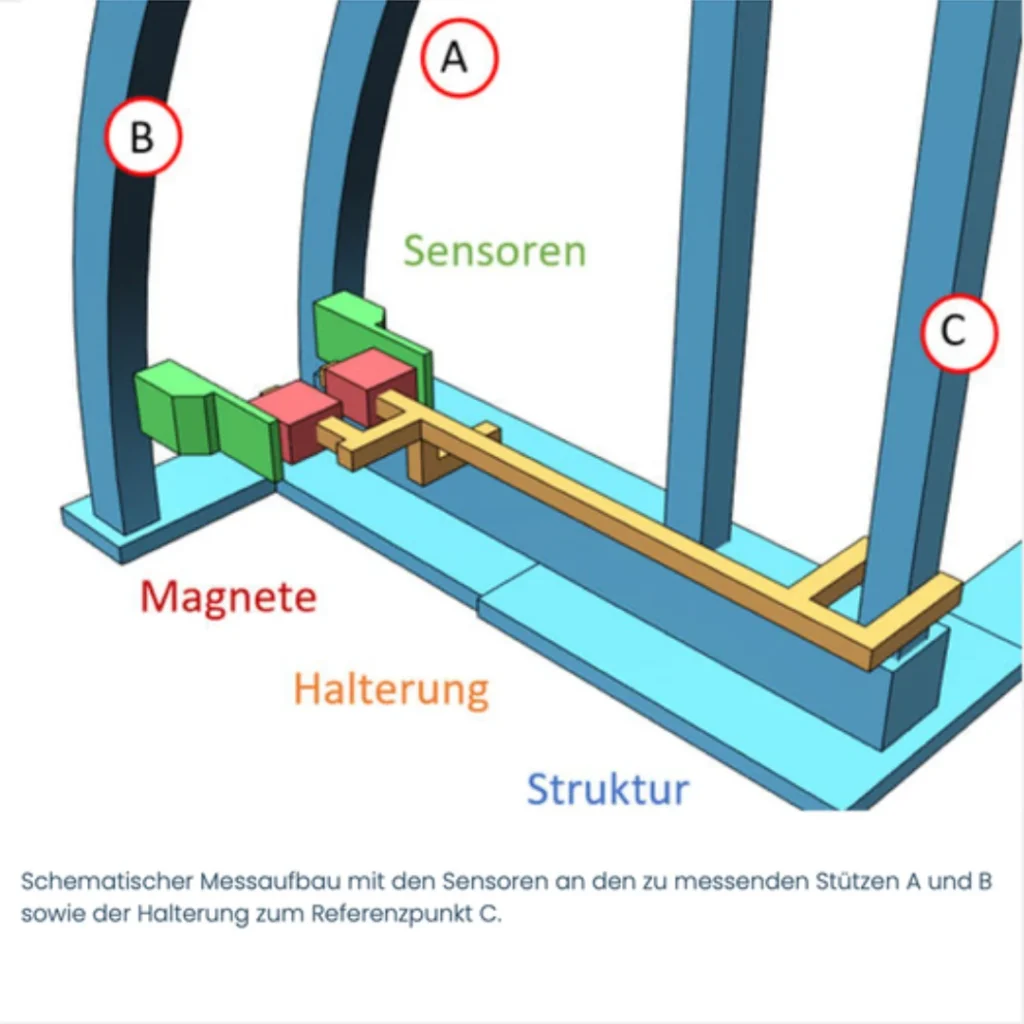
SuessCo Sensors installed a digital monitoring system consisting of sensors and associated software. The 6D sensors precisely measure 3 linear axes, 3 spatial angles, and temperature data. The data is then automatically transmitted wirelessly and made available to the client via the SuessCo Datahub.
This measurement data enables a precise analysis of the condition of the structure and helps determine the appropriate scope of renovation work. The results are correlated and displayed graphically in the dashboard. In addition, a safety measure was implemented as part of the project: automated alert thresholds send warning notifications to a defined group of people. This allows relevant changes to be identified immediately and necessary actions to be taken.
SuessCo sensors were also used during the crane lifting operations. They detected early on any unusual changes in the structure caused by the lifting of heavy building components. This data played a crucial role in ensuring safety during the work.
This example highlights how our digital monitoring projects contribute to the preservation of historic buildings.
Let’s talk about your building
During the consultation, we’ll determine which sensors are right for your project and how quickly they can be installed. No obligation, no preparation required.